- Trauma-aware care
- Relationship focus
- Strengths-based
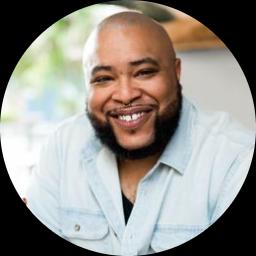
About Adejare
He listens for the practical problems behind emotional pain and helps people name what they want to change. Sessions are focused on clear goals and workable steps. Adejare helps people develop skills for communication, managing mood, and coping after loss.
He draws on evidence-based therapeutic techniques tailored to each person’s needs. The work often mixes skill-building, problem solving, and space to process painful memories or current stressors. Adejare encourages pacing that feels manageable and realistic for daily life.
People come to him for many related issues such as attachment struggles, abandonment, caregiving stress, chronic illness, and communication problems. He also supports those dealing with complex histories like adoption or experiences connected to alternative sexual cultures.
For people unsure about therapy, Adejare offers straightforward guidance on next steps. He sees the first visit as a chance to clarify concerns, set reasonable goals, and pick the methods that fit the person’s life and values.
How evidence-based approaches translate to online work
Adejare uses evidence-based therapeutic techniques that focus on practical skills and processing difficult experiences. One common approach helps people learn coping and emotion regulation skills to manage depression, grief, and stress. This involves short exercises and tools to practice between sessions that aim to make daily life feel more manageable.Another approach focuses on processing traumatic memories and current reactions. Sessions create space to name and work through painful events while building strategies to reduce their day-to-day impact. This work usually moves at a pace the person can tolerate and pairs processing with concrete coping steps.
Choosing the right approach is a collaborative process. He will talk with each person about goals, preferences, and what has or hasn’t helped in the past. Together they decide which techniques to try and adjust them over time based on what feels most helpful.
Session formats are not specified in the biography, so confirm current session options before booking. In general, online therapy can make it easier to fit sessions into a busy week, cut down on travel time, and allow for shorter check-ins when needed. Licensed professionals can adapt exercises for remote work so skill practice and emotional processing still move forward effectively.
Frequently asked questions
What kinds of concerns does Adejare help with?
He works with people facing trauma and abuse, grief, depression, relationship problems, and LGBT issues. Additional areas include abandonment, attachment struggles, caregiving stress, chronic illness, and communication problems.
How would you describe his therapy style?
He uses plain language and practical steps. Sessions focus on goals, skill building, and making changes that fit everyday life.
What background does he bring to sessions?
He has more than ten years of professional experience helping people with trauma, relationship concerns, and loss. He emphasizes clients' strengths and personal knowledge of their own story.
Where is he licensed and located?
He is a Licensed Mental Health Counselor, LMHC, licensed in Florida and practices from that state.
Which languages are supported for sessions?
Sessions are offered in English.
Can international clients work with him?
He accepts international clients. Confirm any regional details when you schedule.
How is cost handled for therapy?
Cost varies with location and therapist availability; sessions use a subscription that can be canceled at any time.
How do I begin working with him?
Select the Start Therapy button, complete a short matching questionnaire, and schedule according to therapist availability.