- Trauma-aware care
- Practical skill building
- Values-based approach
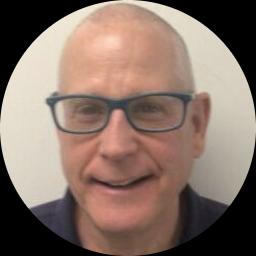
About Alan
He uses straightforward talk therapy and practical tools. Sessions focus on what the person wants to change and on small steps that make daily life easier. He draws on approaches that help people notice their thinking, choose values-driven actions, and build problem-solving routines.
Alan trained as a Chemical Dependency Counselor in 1995 and earned a Master of Social Work from The Ohio State University in 2002. He has been a Licensed Independent Social Worker since 2005 and also holds a Licensed Clinical Social Worker credential. Most of his clinical work has been with adults and some teenagers dealing with mood disorders and substance concerns.
His work includes family of origin exploration and support around letting go of long-standing habits that limit satisfaction. He describes counseling as client-driven and centers sessions on whatever the client brings. He is trauma-informed and comfortable working with members of the LGBT community.
People can expect practical strategies drawn from Cognitive Behavioral Therapy, Acceptance and Commitment Therapy, and Solution-Focused techniques. The emphasis is on usable skills, clearer choices, and steady progress toward the life someone wants.
How his approaches translate to online work
Acceptance and Commitment Therapy helps people notice unhelpful thoughts and choose actions that match their values. It is useful for anxiety, depression, and people wanting clearer direction in life. Cognitive Behavioral Therapy looks at the links between thoughts, feelings, and behavior and teaches practical skills to change patterns that cause distress. Those tools help with mood disorders, stress, and many day-to-day problems. Client-Centered Therapy focuses on listening, empathy, and creating space for the person to set the agenda; it helps when someone needs support to process grief or identity concerns.Figuring out the right approach is a collaborative process. The therapist will talk with the person about goals and preferences, then adapt methods as needed. That means sessions can shift over time toward skill teaching, values work, or open exploration depending on what helps most.
The original biography does not list specific online formats, so please confirm current session options before booking. Online work can make it easier to fit therapy into a busy life, reduce travel time, and allow shorter check-ins when needed. Licensed professionals can use these methods effectively in remote sessions, focusing on techniques and homework that carry over into everyday routines.
Frequently asked questions
What concerns does he help people with?
He supports people dealing with stress, anxiety, depression, addictions, trauma and abuse, relationship and intimacy issues, grief, and self-esteem challenges.
What is his general therapy style?
His style is practical and client-driven, focusing on clear goals and small steps. Sessions emphasize talk therapy plus tools you can use between meetings.
How much clinical experience does he have?
He brings 30 years of experience in behavioral health, starting as a Chemical Dependency Counselor and later completing a Master of Social Work in 2002.
What credentials and location information are on record?
He holds LISW and LCSW credentials, with an Ohio LISW and a Pennsylvania LCSW, and his practice is based in Pennsylvania.
Are sessions available in other languages or internationally?
Sessions are offered in English and he accepts international clients.
What session formats are offered?
The original biography does not list specific session formats; please confirm current session options before booking.
How does pricing work?
Cost varies with location and therapist availability, and sessions use a subscription that can be canceled at any time.
How do I begin working with him?
Use the Start Therapy button, complete a short matching questionnaire, and schedule according to therapist availability.