- Trauma and abuse
- Mindfulness and CBT
- Goal oriented
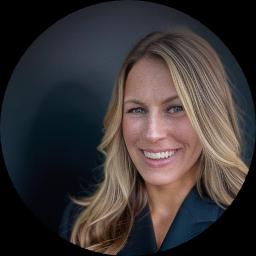
About Amy
Amy creates a calm, open space where clients can name what they are feeling. She emphasizes practical steps as well as talking things through. That can mean looking at thoughts and behaviors, learning simple mindfulness skills, or setting small goals to feel steadier day to day.
Her background includes long experience supporting people through grief, caregiver strain, chronic illness, and post-traumatic stress. She also works with concerns like compassion fatigue, sexual assault and abuse, veteran issues, and the stress that comes with midlife changes.
Amy uses several evidence-based approaches, including cognitive behavioral techniques, mindfulness practices, motivational interviewing, solution-focused strategies, and trauma-focused methods. Sessions tend to be collaborative and goal-oriented, adjusted to what a person needs in the moment.
She speaks English and practices in South Carolina. If you are considering starting therapy, Amy encourages taking the first step and reaching out to find out whether her style fits your needs.
How therapeutic approaches translate to online work
Amy often uses cognitive behavioral techniques to help people notice unhelpful thoughts and test new ways of responding. CBT is useful for anxiety, depression, and stress by breaking problems into small, changeable steps.She also uses mindfulness practices to teach simple attention and breathing exercises. Mindfulness can help reduce reactivity and improve everyday coping with strong emotions. Motivational interviewing shows up when people want to make changes but feel stuck; it focuses on clarifying goals and finding personal reasons to move toward them.
Finding the right approach is part of the process. Amy works with each person to choose methods that match their goals, needs, and preferences, and she adjusts the plan as work progresses. That collaboration helps make sessions feel more relevant and doable.
Session formats are not specified in the biography, so confirm current options before booking. Online work can make it easier to fit sessions into a busy week, allow for shorter check-ins when schedules are tight, and remove travel time so therapy fits around work or care duties. Licensed professionals can use these approaches effectively in remote sessions, and Amy will help decide what will work best for you.
Frequently asked questions
What kinds of concerns does Amy help with?
She helps people coping with stress, anxiety, trauma and abuse, anger, depression, grief, relationship and family issues, self esteem, ADHD, and related challenges.
What is her general therapeutic style?
Her style is open and collaborative. She combines talking with practical techniques like goal-setting and mindfulness exercises.
How much clinical experience does she have?
She has over 25 years of professional experience working in counseling and related settings.
What are her credentials and where does she practice?
She holds the LPC credential and practices in South Carolina.
Which languages are supported for sessions?
Sessions are offered in English.
Can people outside the U.S. work with her?
She is not accepting international clients at this time.
How much do sessions cost?
Cost varies with location and therapist availability; sessions use a subscription that can be canceled at any time.
How do I start a session with her?
Click the Start Therapy button, complete a short matching questionnaire, and then schedule according to therapist availability.