- Trauma informed approach
- Skills focused
- Compassionate listening
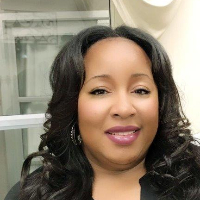
About Anchanese
She trained in psychology and counseling and has worked in psychiatric residential treatment, college programs, and community-based settings. That experience means she is used to supporting people with strong emotions, trauma and abuse, mood concerns, and stress related to caregiving or work.
In sessions she uses approaches that center the person’s experience and teach practical skills. She draws from client-centered work to focus on what matters to the client. She also uses elements of dialectical behavior therapy and mindfulness to help manage intense feelings and reduce reactivity.
She helps with everyday struggles like anxiety, depression, relationship stress, parenting strain, and addiction concerns. She also addresses issues tied to grief, self-esteem, and career stress. Many people seek support for anger, impulsivity, and post-traumatic stress.
Her aim is to create a space where someone can talk through problems, learn new coping tools, and test small changes. She encourages realistic goals and tracks progress. To begin, readers should confirm current session options before booking so they know what formats are available.
How therapy approaches translate to online care
Client-Centered Therapy focuses on listening and following the client's lead. In online sessions this means the therapist gives attention to what matters most and helps clients set goals they want to work toward. Dialectical Behavior Therapy, or DBT, teaches concrete skills for handling intense emotions and improving relationships, which can be practiced and reviewed in video or phone conversations. Mindfulness Therapy centers on present-moment awareness and simple attention practices to reduce reactivity and build calm, and these exercises can be guided during remote sessions.Finding the right approach is a collaborative process. The therapist will work with each person to choose or blend methods that fit their needs, goals, and comfort level. That partnership helps people try different techniques and adjust as progress is made.
The practical benefit of online care is fitting sessions into a busy life. It can make scheduling easier around work, school, or caregiving. Some people prefer shorter check-ins or phone conversations when video would be difficult, while others want longer video sessions to work through material in depth. Confirm current session options before booking so you know which formats are offered and can pick what fits your routine.
Frequently asked questions
What concerns does she address?
She supports people dealing with stress, anxiety, depression, trauma and abuse, grief, relationship and intimacy issues, parenting strain, addictions, and related concerns.
How would you describe her therapy style?
Her style is practical and person-focused. Sessions blend client-centered listening with skills from DBT and mindfulness to manage strong feelings.
What is her professional background?
She has 12 years of experience and has worked in psychiatric residential treatment, collegiate programs, and community-based treatment settings.
What credentials and region are listed?
She is a Licensed Professional Counselor, LPC, and practices in Georgia.
Which languages are supported and can international clients book?
Sessions are offered in English and she is not currently accepting international clients.
What session formats are available?
Session formats are not specified here; please confirm current session options before booking so you know whether online or in-person sessions are offered.
How does payment work and what does it cost?
Cost varies with location and therapist arrangements; sessions use a subscription that can be canceled at any time.
How do I start a first appointment?
Click the Start Therapy button, complete a short matching questionnaire, and schedule according to therapist availability.