- Trauma aware
- Practical skills
- Cultural humility
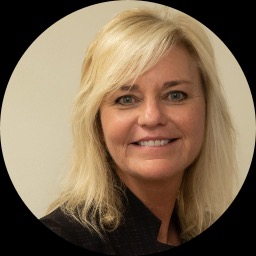
About Angela
Her work focuses largely on adult women who have experienced trauma or inequity, though she also has experience with children and adolescents. She helps people look at how they communicate, notice patterns that hold them back, and build skills to feel more confident. Sessions often include talking through feelings, practicing coping techniques, and naming small changes that make daily life easier.
Angela names social context as part of many people’s struggles. She acknowledges privilege and practices cultural humility while exploring how bias and historical trauma affect mood, relationships, and recovery. This means she will bring up these topics when they relate to what someone is working on.
She believes clients are the experts in their own stories and looks for strengths to build on. Her approach is collaborative and direct, aimed at helping people connect better with themselves and others. Taking the first step can be hard, and she affirms the courage it takes to begin.
Angela holds 10 years of professional experience as an LCMHC in North Carolina and frames therapy as a practical, respectful process of change and repair.
Evidence-based techniques and online care
Angela uses evidence-based therapeutic techniques that focus on helping people manage symptoms and build coping skills. One common approach is skills-based work that teaches breathing, grounding, and thought-awareness exercises to reduce intense anxiety and panic. These tools help people gain faster relief and clearer thinking when stress spikes.Another frequent focus is trauma-informed conversation that connects past events to present patterns. This work helps people make sense of how trauma or inequity shaped their reactions and relationships, and it supports step-by-step changes in behavior and self-view.
Choosing the right approach is part of the process. Angela collaborates with each person to match techniques to their goals, needs, and comfort level. She will adjust methods over time based on what works and what doesn’t, so the plan evolves with the client.
Confirm current session options before booking, as specific formats are not listed here. Online therapy can make scheduling easier and fit into busy days, allow shorter check-ins when needed, and reduce commute time. It can also let people continue care from different locations while maintaining a regular therapy schedule.
Frequently asked questions
What kinds of concerns does she address?
Angela works with stress, anxiety, trauma and abuse, grief, depression, and compassion fatigue, plus related issues like body image, panic, and social anxiety.
What is her general approach in sessions?
She focuses on clear conversation and practical techniques, helping people notice patterns, practice coping skills, and build confidence over time.
How much clinical experience does she have?
She has 10 years of professional work experience in counseling and mental health practice.
What are her credentials and where does she practice?
She is an LCMHC, which stands for Licensed Clinical Mental Health Counselor, practicing in North Carolina.
Which languages are supported for sessions?
Sessions are offered in English.
Does she take clients outside the United States?
She does not accept international clients at this time.
How are fees handled?
Cost varies with location and therapist availability; sessions use a subscription that can be canceled at any time.
How do I begin working with her?
Click the Start Therapy button, complete a short matching questionnaire, and then schedule according to therapist availability.