- Trauma and abuse focus
- Practical skills approach
- Collaborative therapy style
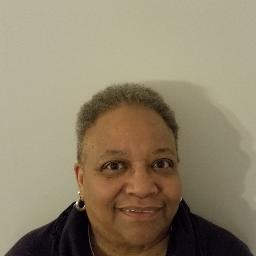
About Annette
She draws on 21 years of experience across inpatient and outpatient settings in Maryland. That experience includes work with people at different life stages and from diverse backgrounds. Annette uses a mix of methods chosen to match each person’s needs rather than a single fixed approach.
Her work often centers on anxiety, mood and adjustment concerns, substance-related and addictive behaviors, and post-traumatic stress. She also helps people facing life transitions such as loss, midlife shifts, or challenges tied to identity and relationships. Additional focuses include aging and geriatric issues, blended family dynamics, codependency, and veteran and armed forces issues.
Annette holds a Master of Science in Counseling Psychology from Bowie State University and a Doctor of Clinical Psychology from Argosy University in Virginia. She is licensed as an LCPC in Maryland. In sessions she combines evidence-informed tools like cognitive behavioral techniques, acceptance and commitment strategies, dialectical behavioral skills, and mindfulness practices to fit the person in front of her.
Sessions are offered in English. Prospective clients should use the site booking steps to match with her and see which session formats are currently available before scheduling.
How therapeutic approaches shape online work
Acceptance and Commitment Therapy (ACT) helps people get clearer about what matters most to them and take small actions in that direction despite difficult thoughts or feelings. It is useful for worry, life transitions, and problems that come with avoidance. Cognitive Behavioral Therapy (CBT) focuses on identifying unhelpful thinking and testing it with real-life experiments, which can reduce anxiety, depression, and mood-related patterns. Dialectical Behavior Therapy (DBT) teaches practical skills for emotion regulation, distress tolerance, and improving how someone relates to others, which helps with intense emotions and relationship strain.Choosing the right approach is part of the work together. The therapist will talk with the person about goals, preferences, and what has or hasn’t worked before. That collaboration guides which methods are emphasized and how techniques are adapted for the individual.
The profile does not list specific online session formats, so confirm available options when booking. In general, online therapy can make it easier to fit sessions into a busy life, reduce travel time, allow shorter check-ins when needed, and let people use quieter surroundings or low-bandwidth options as appropriate. Licensed professionals can adapt ACT, CBT, and DBT exercises for remote sessions so skills practice and progress continue between meetings.
Frequently asked questions
What kinds of concerns can be addressed?
She works with stress, anxiety, addictions, trauma and abuse, grief, depression, relationship and intimacy-related issues, and related concerns listed in her profile.
What is her general approach in sessions?
Her style is collaborative and client-centered. She combines practical skills from approaches like CBT, DBT, ACT, and mindfulness to match each person’s goals.
How much clinical experience does she have?
She brings 21 years of experience working in both inpatient and outpatient settings with people from varied backgrounds and life stages.
What credentials and region are listed?
She holds the LCPC credential (Maryland) and practices from Maryland as noted in her profile.
Which languages are supported and are international clients accepted?
Sessions are offered in English and she is not currently accepting international clients.
What session formats are available?
The original biography does not specify session formats; please confirm current session options during the booking process before scheduling.
How is cost handled for sessions?
Cost varies with location and therapist availability; sessions use a subscription that can be canceled at any time.
How do I begin working with her?
Select the Start Therapy button, complete the short matching questionnaire, and schedule according to therapist availability.