- Trauma and abuse
- Attachment-focused
- Practical strategies
About Bapuamoyo
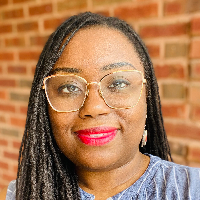
She has ten years of clinical experience working with diverse concerns. That includes helping survivors of domestic violence, sexual assault, childhood abuse, community violence, and hate crimes. She also helps people affected by racial abuse and discrimination at home, work, or in their communities.
Kambeya’s style is attentive and respectful. She prioritizes understanding each person’s values and goals before suggesting steps forward. Sessions focus on practical skills, self-awareness, and steady progress toward manageable goals.
Her approach draws on attachment-based ideas, client-centered listening, cognitive-behavioral techniques, dialectical behavior strategies, and hypnotherapy methods. Treatment plans are customized to fit the person in front of her rather than a preset formula.
Therapy is described as challenging but doable with commitment and support. Prospective clients begin by completing a short matching questionnaire and scheduling a first session according to availability. Kambeya aims to be a steady companion through the change process.
How therapeutic approaches guide online work
Attachment-based work focuses on how early relationships shape current connections. In therapy this means looking at patterns in close relationships and practicing new ways of relating that feel safer and more stable. Cognitive Behavioral Therapy, or CBT, helps identify unhelpful thoughts and behaviors and replace them with more effective patterns through clear, skill-based exercises and small experiments. Dialectical Behavior Therapy, or DBT, teaches practical emotion-regulation, distress-tolerance, and interpersonal skills for managing intense feelings and improving communication.Choosing the right approach is a collaborative process. The therapist will listen to what you want to change, try different techniques, and check in about what helps. Together you will adapt methods to match your goals, pace, and preferences rather than following a one-size-fits-all plan.
Many people find online therapy easier to fit into busy schedules because it can reduce travel and allow sessions during a lunch break or between commitments. Online work can also make it simpler to use worksheets, share resources, and practice skills between sessions. Please confirm the current session options before booking so you know which formats are offered, and plan sessions around what fits your day-to-day life.
Frequently asked questions
What kinds of concerns does this therapist help with?
She works with stress, anxiety, depression, trauma and abuse, relationship problems, parenting strain, grief, sleep issues, ADHD, bipolar concerns, and other life changes.
How would you describe her therapeutic approach?
Her style is warm and attentive, emphasizing understanding the person's values and goals. She uses client-centered listening alongside cognitive and behavioral tools to build practical skills.
What is her professional background?
She has ten years of experience as a psychotherapist working with diverse populations and a range of trauma-related concerns.
Where is the therapist based and what credential does she hold?
She practices in Georgia and holds the LPC credential, which stands for Licensed Professional Counselor.
Which languages are sessions offered in?
Sessions are offered in English.
Can international clients work with her?
International clients are not currently accepted.
How are sessions paid for and what does it cost?
Cost varies with location and therapist availability; sessions use a subscription model that can be canceled at any time.
How do I begin working with this therapist?
Select the Start Therapy button, complete a short matching questionnaire, and then schedule according to therapist availability.