- Trauma and abuse focus
- Relationship and grief help
- Client-centered care
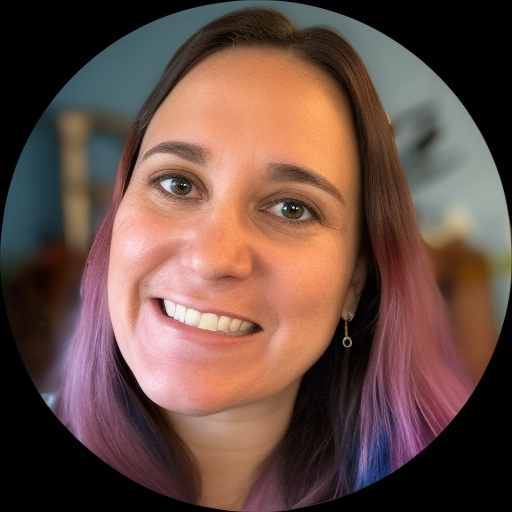
About Bethany
She focuses on practical conversation and collaborative planning. Bethany listens closely, helps people name what matters most, and works with them to set achievable goals. She often uses tools from cognitive behavioral ideas to notice patterns of thought and behavior that get in the way, and she brings client-centered methods to keep the work grounded in each person’s values.
Her background also includes motivational interviewing to help people find internal reasons for change and psychodynamic ideas to look at repeating relationship patterns. Solution-focused elements help keep sessions oriented toward immediate steps someone can try between meetings. Together these approaches create a flexible way to address concerns like anxiety, depression, low self-esteem, and compassion fatigue.
Bethany supports people managing family-of-origin issues, blended-family and adoption challenges, caregiving stress, and end-of-life concerns. She pays attention to how trauma, loss, and life transitions affect daily functioning and relationships. The goal is steadily moving toward clearer choices and more manageable routines.
To begin, Bethany asks about current priorities and builds a plan that reflects each person’s pace and values. She encourages honest conversation and practical strategies so progress feels real and useful.
How her approaches translate to online therapy
Client-centered therapy focuses on listening and following what matters to the person. Online sessions can provide the same attentive conversation where the therapist reflects concerns, asks questions, and helps prioritize next steps. Cognitive behavioral therapy, or CBT, looks at connections between thoughts, feelings, and actions and teaches practical techniques to change unhelpful patterns. That work often uses simple exercises and between-session practice that fit well into remote appointments. Motivational interviewing helps people find their own reasons for change by exploring values and ambivalence, which adapts easily to video or phone conversations and short check-ins.Finding the right approach is part of the process. The therapist works collaboratively to try methods that match a person’s goals and preferences. If something doesn’t fit, adjustments are made together so the work stays useful and aligned with what the person hopes to achieve.
Session format options are not specified in the biography, so confirm current session types before booking. Online work can make it easier to fit therapy into a busy week, reduce travel time, and allow shorter check-ins when needed. Many people find it simpler to use therapy tools between meetings and bring those experiences back to the session for focused problem-solving.
Frequently asked questions
What concerns does Bethany commonly address?
She helps people with relationship problems, trauma and abuse, grief, parenting issues, stress, anxiety, depression, self-esteem, and compassion fatigue, among other concerns.
What is her general therapeutic style?
Her style is collaborative and practical. She blends client-centered conversation with goal-focused techniques so sessions stay relevant to daily life.
How much experience does she have?
She brings 20 years of counseling experience working with a range of emotional and relationship concerns.
What are her credentials and where is she licensed?
She holds the LCSW credential and is licensed in North Carolina as an NC LCSW.
Which languages are supported for sessions?
Sessions are offered in English only.
Can people outside the United States work with her?
She is not currently accepting international clients.
How are session costs handled?
Cost varies with location and therapist availability; sessions use a subscription that can be canceled at any time.
How do I start a therapy match with her?
Select the Start Therapy button, complete a short matching questionnaire, and schedule according to therapist availability.