- Trauma and abuse
- Grief and loss
- Stress and anxiety
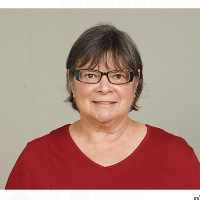
About Betty
Betty trained at Florida Atlantic University, where she earned a master's degree, a bachelor's degree, and an aging certificate, graduating with highest honors from the college of social work. She has more than 11 years of professional experience in medical and mental health settings, including work in hospice during internships and afterward. That hospice work concentrated on grief, loss, depression, anxiety, trauma, and anger.
Her clinical work emphasizes collaboration and practical change. Betty draws on approaches such as Cognitive Behavioral Therapy, Solution-Focused Therapy, Narrative Therapy, Mindfulness Therapy, and Client-Centered Therapy to help people reframe unhelpful thinking, develop coping skills, and strengthen their sense of agency.
She pays particular attention to codependency and empowerment, and also supports people dealing with relationship problems, self-esteem, caregiver stress, chronic illness, body image, and life transitions. Betty describes watching people grow and reclaim choices as a central part of her purpose.
Sessions focus on clear goals and steady progress. Prospective clients are encouraged to confirm current session options before booking so arrangements match their needs.
How her approaches fit into online therapy
Client-Centered Therapy focuses on listening and empathy. The therapist follows the person's lead, reflects what they say, and helps them feel understood before working toward change. It suits anyone who needs a steady, nonjudgmental space to process hard feelings.Cognitive Behavioral Therapy (CBT) looks at how thoughts, feelings, and actions connect. It uses practical exercises to test unhelpful beliefs and build new coping skills, which is helpful for anxiety, depression, and stress. Mindfulness Therapy adds simple attention and breathing practices to reduce reactivity and improve focus in daily life.
Choosing the right approach is a team effort. The therapist will listen to goals, try methods, and adjust the plan together. That means techniques can shift as needs and preferences become clearer during sessions.
If you are considering online work, confirm the session formats available before booking because the biography does not specify them. Online sessions can make it easier to fit care into a busy week, reduce travel time, and allow quieter check-ins during a break. Some approaches translate well to virtual meetings, while brief phone or video check-ins can help maintain progress between in-person visits if those are arranged. Licensed professionals will discuss which format best fits your schedule and therapeutic goals.
Frequently asked questions
What concerns does Betty commonly address?
She helps people with stress, anxiety, depression, addictions, relationship issues, grief, trauma and abuse, self-esteem, and compassion fatigue among other concerns.
How would you describe her therapy style?
Her style is laid back and collaborative, focusing on a strong therapeutic relationship and practical steps. She mixes client-centered listening with structured tools to solve problems.
What is her professional background?
She has more than 11 years in medical and mental health settings and spent time working in hospice where she focused on grief, loss, depression, anxiety, trauma, and anger.
What credential does she hold and where is she located?
She is a Licensed Clinical Social Worker (LCSW) licensed in Florida and practices in that state.
Does she offer sessions in other languages or to international clients?
Sessions are offered in English. She is not accepting international clients at this time.
What session formats are available?
The original biography does not list specific session formats, so confirm current options with the provider before booking to match your needs.
How much do sessions cost?
Cost varies with location and therapist availability; sessions use a subscription that can be canceled at any time.
How do I begin working with her?
Select the Start Therapy button, complete a short matching questionnaire, and schedule according to the therapist's availability.