- Trauma and abuse
- Relationship struggles
- Identity support
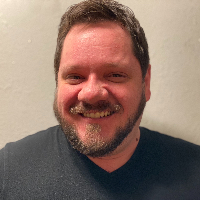
About Brandon
He focuses on everyday skills that make life easier. That includes improving communication, building self-esteem, coping with major life changes, and addressing intimacy-related concerns. He also supports people dealing with addictions, compassion fatigue, and caregiver stress.
Brandon uses straightforward, collaborative methods in therapy. He draws from client-centered work to keep sessions focused on what matters most to each person. Cognitive Behavioral Therapy ideas are used to spot unhelpful thinking and test new behaviors.
He also incorporates Acceptance and Commitment Therapy to clarify values and support committed action, and Attachment-Based ideas to look at how early patterns affect current relationships. Sessions aim to be practical and relatable rather than full of jargon.
Brandon works with people on topics such as abandonment, attachment issues, commitment and communication problems, and family of origin concerns. He also offers support around kink and alternative sex culture in a nonjudgmental way. To begin, readers can follow the site process to match and schedule a session.
How Brandon Uses Therapy Approaches Online
Brandon often uses Acceptance and Commitment Therapy to help people get clearer about what matters to them and take small steps toward those values. ACT is useful for anxiety, depression, and situations where avoidance keeps people stuck. Attachment-Based Therapy is used to look at how early relationship patterns shape current connections and communication. That work can help with intimacy-related issues, trust, and repeating old hurts.Choosing the right approach is part of the work together. Brandon treats the decision as collaborative and will help figure out which methods fit a person’s goals and preferences. He adapts sessions over time based on what helps and what feels comfortable.
Session formats are not listed in the biography, so confirm current online options before booking. Online sessions can make it easier to fit therapy into busy schedules, reduce travel time, and allow shorter check-ins when needed. They also let people use quieter surroundings or avoid being on camera if that helps them engage. Licensed professionals can use these formats to deliver the same goal-focused work as in-person therapy, while tailoring activities and homework to everyday life.
Frequently asked questions
What concerns does Brandon help with?
He supports people dealing with stress, anxiety, trauma and abuse, depression, relationship issues, and identity concerns including LGBT matters.
What is his general therapy style?
His style is collaborative and client-centered, focusing on practical skills, clearer communication, and helping people act on their values.
How much clinical experience does he have?
He has 11 years of experience working with a range of concerns including addictions, caregiver stress, and family-of-origin issues.
What credentials and location are listed?
He holds LCMHC and LPC credentials and practices in Utah.
Which languages are supported for sessions?
Sessions are offered in English.
Are international clients accepted?
International clients are not currently accepted.
How does payment and cost work?
Cost varies with location and therapist availability; sessions use a subscription that can be canceled at any time.
How do I begin working with him?
Select the Start Therapy button, complete a short matching questionnaire, and schedule according to therapist availability.