- Trauma informed care
- Stress and anxiety
- Work and self esteem
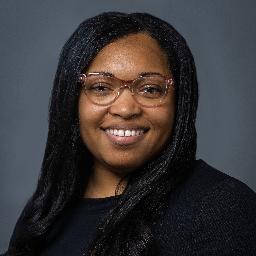
About Britney
She aims to make the therapy room a place where clients can speak honestly and be heard. Sessions emphasize listening first, then developing small, achievable goals together. Britney encourages people to notice strengths they already have and to build on them one step at a time.
Her background includes several years working with people facing workplace pressures and life-purpose questions. She also helps with communication problems and supports people working on self-love and confidence. Practical strategies are used alongside conversation so clients leave with clear next steps.
Britney describes therapy as a partnership. She supports clients as they try out new ways of coping and adjusting daily routines to reduce stress. She focuses on steady progress rather than quick fixes.
If you want to explore changes in relationships, address anxiety, or work through past trauma and abuse, she offers a straightforward, compassionate approach. To arrange a first meeting, follow the site's Start Therapy process and complete the matching questionnaire.
How therapeutic techniques translate to online work
Many evidence-based therapeutic techniques focus on practical skills and talk-based work that adapt well to remote sessions. Cognitive-style approaches help people notice unhelpful thinking patterns and practice different responses, which can be taught and practiced in conversation. Trauma-informed methods emphasize creating safety in the relationship, pacing the work, and using grounding exercises that clients can use between meetings.Finding the best approach is a collaborative process. The therapist will listen to your concerns and goals, explain suitable techniques, and try different methods together until something fits. Clients and the therapist decide what to focus on and how quickly to move forward.
The biography does not list which session formats are used, so confirm current online options before booking. Online work can make it easier to fit therapy into a busy life by removing travel time and allowing sessions during breaks or between activities. It can also let people use shorter check-ins when schedules are tight or avoid video when lower bandwidth or less screen time is preferred. Licensed professionals can help adapt exercises and homework so they work in everyday settings.
Frequently asked questions
What issues does she help with?
She works with stress, anxiety, relationship concerns, trauma and abuse, self-esteem, and career questions. Additional focus areas include communication problems, life purpose, self-love, and workplace issues.
What is her approach in sessions?
Her style is practical and conversational. She listens first, then helps set small, achievable goals and offers strategies to use between sessions.
How much clinical experience does she have?
She has seven years of professional practice helping people with emotional and workplace challenges.
What credentials does she hold and where is she based?
She holds LPC and LCMHC credentials and practices in North Carolina. The credential expansions are Licensed Professional Counselor and Licensed Clinical Mental Health Counselor.
Can I work with her in other languages or from other countries?
Sessions are offered in English. She is not currently accepting international clients.
What session formats are available?
The original biography does not specify session formats. Please confirm current session options with the site before booking.
How are fees handled?
Costs vary with location and therapist availability, and sessions use a subscription that can be canceled at any time.
How do I begin working together?
Use the Start Therapy button, complete the short matching questionnaire, and schedule according to therapist availability.