- Trauma informed support
- Client-centered approach
- Practical coping skills
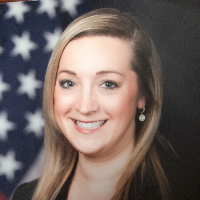
About Brittany
Brittany uses a client-centered way of working that starts with listening. She asks about what you notice in day-to-day life and what you want to change. From there she offers practical strategies drawn from cognitive behavioral methods and solution-focused thinking to reduce symptoms and build coping skills.
Her background includes extensive work with military-affiliated clients and community programs, and she currently provides counseling within the U.S. military system. This experience informs her work with issues like deployment stress, family disruption, and first responder or veteran-related concerns. She is attentive to cultural differences and how life context affects mental health.
Sessions focus on real-world tools you can use between visits, such as problem-solving steps, behavior strategies, and ways to reframe unhelpful thoughts. Brittany also draws on narrative techniques to help people rewrite painful stories about themselves and their relationships.
With about 15 years of experience, she aims to empower clients to build on their strengths. To begin, prospective clients complete a short questionnaire and schedule sessions based on availability.
How her approaches shape online therapy
Brittany draws on client-centered work, cognitive behavioral techniques, and elements of the Gottman Method in sessions. Client-centered work means the conversation starts with what matters most to you and moves at your pace, helping build trust and clarity. Cognitive Behavioral Therapy (CBT) focuses on identifying unhelpful thought patterns and learning practical exercises to change them, which can help with anxiety, depression, and sleep or eating concerns. The Gottman Method offers structured ways to improve communication and manage conflict in close relationships.Finding the right approach is part of the process and will be collaborative. She will listen to your goals and suggest methods that fit your situation, adapting tools as you go so work in sessions feels useful and relevant.
Session formats are not specified here, so confirm current options before booking. Online therapy can make it easier to fit appointments into a busy life, require less travel time, and allow quicker check-ins when patterns or stressors arise. It also enables focused skill practice between visits, such as using CBT worksheets or communication exercises from the Gottman work, so progress can continue outside session time.
Frequently asked questions
What kinds of problems does she address?
Brittany works with relationship tension, trauma and abuse, anxiety, depression, grief, substance issues, self-esteem, parenting strain, and related concerns such as body image and caregiver stress.
How would you describe her therapeutic style?
She uses a client-centered approach that emphasizes listening and collaboration, with practical techniques from cognitive behavioral and solution-focused methods to address immediate problems.
What is her clinical background and experience?
She has about 15 years of experience providing direct mental health services and has worked in community and military settings.
What credentials and location are listed for this therapist?
She holds a DC LICSW and is based in the District of Columbia.
Which languages are supported for sessions?
Sessions are offered in English.
Can international clients work with her?
She is not currently accepting international clients.
How does cost and billing work?
Cost varies with location and therapist availability; sessions use a subscription that can be canceled at any time.
How do I begin a therapy match with her?
Use the Start Therapy button, complete a short matching questionnaire, and schedule sessions according to the therapist's availability.