- Relationship focus
- Music integration
- LGBTQIA+ affirming
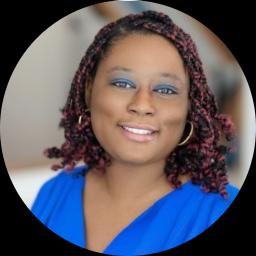
About Brittany
She describes her style as approachable and culturally aware, meeting people where they are. Brittany uses talk therapy alongside music-based methods she developed as a board-certified music therapist. These creative options can help when words don’t fully capture what someone feels.
Her work covers relationship and attachment concerns, anxiety and overwhelm, life transitions, and trauma and emotional healing. She also offers support that is affirming of LGBTQIA+ identities and neurodivergent experiences. Brittany pays attention to how culture and identity shape emotional life and the path to healing.
In sessions she helps clients notice patterns, practice new ways of relating, and build emotional regulation skills. She may use musical expression, reflective conversation, and experiential exercises to support processing and growth. The aim is practical change - improved communication, clearer self-understanding, and healthier coping.
Brittany has nine years of experience in the mental health field and is based in Georgia. She encourages people who are considering therapy to take the first step and explore whether her approach feels like a good fit.
How therapeutic approaches and online care can work together
Evidence-based therapeutic techniques form the foundation of her practice. One common approach she uses is emotion-focused work, which helps people identify and name their feelings, understand how emotions influence behavior, and practice new responses in relationships. This approach can help with attachment wounds, grief, and intense emotional reactions.She also integrates creative, music-based methods from her work as a board-certified music therapist. Musical expression can aid emotional processing, regulation, and self-exploration when words feel limited. It can be especially useful for processing trauma, high arousal states, and complex identity work.
Choosing the right approach is part of therapy. She works with each person to decide which methods fit their goals, needs, and preferences. That choice is collaborative and can shift over time as people make progress or face new challenges.
Confirm current session options before booking since specific online formats are not listed in the biography. In general, online therapy can make it easier to fit sessions into a busy schedule, reduce travel time, and allow for shorter or more flexible check-ins when needed. Therapists and licensed professionals often adapt interventions so they work well in remote sessions, mixing talking, reflection, and creative exercises to suit each person’s routine and goals.
Frequently asked questions
What concerns does Brittany commonly help with?
She supports people with relationship and attachment issues, trauma and abuse, grief, self-esteem struggles, and LGBTQ-related identity questions.
How would you describe her therapeutic style?
Her style is warm, collaborative, and culturally aware. She combines talk therapy with creative tools when helpful.
What is her professional background?
She has nine years of experience in the mental health field and also holds board certification in music therapy.
What credentials and location apply to her practice?
She is a Licensed Professional Counselor, listed as LPC, and practices in Georgia.
Which languages are available for sessions?
Sessions are offered in English.
Can people outside the U.S. work with her?
She does not accept international clients at this time.
How does billing and cost work for sessions?
Cost varies with location and therapist availability; sessions use a subscription that can be canceled at any time.
What should I do to begin therapy with her?
Use the Start Therapy button, complete a short matching questionnaire, and schedule according to therapist availability.