- Trauma-aware approach
- Mindfulness and CBT
- Spiritually informed
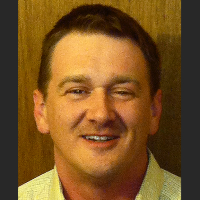
About Brooks
He uses approaches that include cognitive behavioral ideas, existential thinking, mindfulness, solution-focused steps, and trauma-focused work. Brooks blends those methods with a person-centered attitude to meet each person where they are. He also addresses spiritual concerns when clients want that included, and he tailors conversations to individual beliefs.
Brooks describes his work as practical and grounded. Sessions often focus on habits, thinking patterns, and everyday choices that make life harder or easier. He aims to help people sort through stress, anger, grief, addiction, relationship worries, and the effects of trauma through clear, actionable work.
He also supports people dealing with life transitions such as caregiving, aging concerns, divorce, career shifts, and finding meaning. Brooks draws on formal training and on lessons learned from his own life to inform his methods. His style is direct but respectful, focused on helping people make steady changes.
People who want straightforward guidance and time-tested approaches may find his way of working useful. Those interested should confirm session options and scheduling details when they reach out.
Approaches that guide online work and helping conversations
Brooks uses clear, goal-oriented tools online that match his in-person methods. Cognitive Behavioral Therapy (CBT) focuses on the link between thoughts, feelings, and actions to reduce anxiety, depression, and unhelpful patterns. Existential Therapy helps people name what matters most, face life’s big questions, and make choices that fit their values. Mindfulness Therapy teaches simple attention and breathing practices to manage strong feelings and improve focus.Finding the right mix is part of therapy. Brooks will work with the client to identify goals and try approaches that fit their needs and preferences. That collaborative process lets a person test methods and keep what helps while adjusting what doesn’t.
Confirm the session formats available before booking so arrangements match daily life. Online work can make it easier to fit therapy into a busy schedule, reduce travel time, and allow shorter check-ins when needed. It also lets people keep therapy consistent during moves or life changes. Discuss scheduling preferences and session length when setting up the first appointment so the plan fits practical routines and goals.
Frequently asked questions
What concerns does Brooks commonly address?
He helps people with stress, anxiety, depression, bipolar symptoms, addictions, grief, trauma and abuse, relationship and intimacy issues, anger, self-esteem, and career or life transition concerns.
What is his therapy style like?
Brooks uses a blend of practical methods and reflective conversation. Sessions focus on thoughts, behaviors, and workable steps while honoring each person’s beliefs.
How much experience does he have?
He brings 27 years of experience working in counseling and related fields.
What are his credentials and where is he based?
He is a Licensed Mental Health Counselor, FL LMHC, and practices in Florida.
Can sessions be held in languages other than English?
Sessions are offered in English.
Are international clients served?
He does not accept international clients at this time.
How does payment and cost work?
Cost varies with location and therapist availability; sessions use a subscription that can be canceled at any time.
How do I begin working with him?
Click the Start Therapy button, complete a short matching questionnaire, and schedule according to therapist availability.