- Trauma and abuse
- Stress and anxiety
- Anger and depression
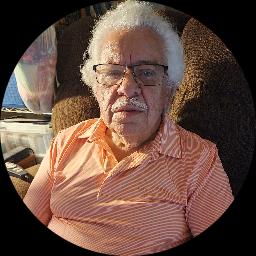
About Bruce
He aims to make the room simple and straightforward. He creates a relaxed space where people can say what they mean without feeling judged. Sessions are practical and focused on steps a person can try between appointments.
Bruce listens for patterns that keep problems repeating. He talks through coping skills for intense feelings, ways to reduce daily stress, and strategies for getting unstuck after trauma. He also supports people who want to rebuild trust in themselves after shame or guilt.
Over two decades of practice have included a range of life changes and motivation issues. That experience helps him match approaches to each person's goals. He works with clear goals and regular check-ins to see what is helping and what needs to change.
People who meet with him can expect direct conversation, practical tools, and a steady presence while they try new ways of handling difficult emotions. He encourages small experiments between sessions to build confidence and momentum.
Approaches that guide online care
Bruce uses evidence-based therapeutic techniques focused on practical change. One common approach helps people learn concrete coping skills for anxiety and stress, such as breathing exercises, grounding strategies, and step-by-step behavior changes to reduce daily distress. This approach is useful when intense emotions or panic make everyday tasks hard.Another focus is on working through the effects of trauma and abuse by helping people name what happened, manage strong reactions, and slowly build routines that feel safer. That work often includes pacing the conversation, practicing emotion regulation, and testing small changes to see what helps reduce symptoms over time.
Finding the right approach is often a collaborative process. The therapist will discuss options, listen to your priorities, and adapt techniques to match your goals and comfort level rather than insisting on one method.
If you prefer online therapy, check the current session options before booking because formats were not specified in the biography. Online care can make it easier to fit therapy into a busy life, reduce travel time, and allow shorter check-ins when schedules are tight. Talk with the therapist about what will work best for timing and session length so appointments fit your routine.
Frequently asked questions
What concerns does Bruce focus on?
He works with stress, anxiety, trauma and abuse, anger, depression, parenting strain, and related issues like guilt, shame, forgiveness, and social anxiety.
What is his general therapy style?
Bruce keeps sessions practical and straightforward, helping people talk through feelings, try new coping skills, and set clear goals for change.
How much clinical experience does he have?
He has 20 years of professional work experience in the field of behavioral health.
What credentials and location are listed?
He holds an LCSW-C license in Maryland and practices in that state.
Which languages are supported and can he see international clients?
Sessions are offered in English and he is not currently accepting international clients.
What session formats are offered?
The original biography does not specify session formats; please confirm current session options before booking.
How does pricing work?
Cost varies with location and therapist availability; sessions use a subscription that can be canceled at any time.
How do I get started?
Click the Start Therapy button, complete a short matching questionnaire, and schedule according to therapist availability.