- Trauma and abuse
- Skills for emotion regulation
- Support after sexual assault
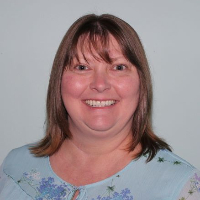
About Carol
Carol has 15 years of experience supporting people impacted by sexual trauma and childhood abuse. She pays attention to how painful memories show up as flashbacks, nightmares, startle responses, dissociation, or sudden emotional overwhelm. In sessions she focuses on practical skills to reduce distress and on helping clients reconnect with their sense of self outside of their past.
Her work draws from Client-Centered Therapy, Cognitive Behavioral Therapy (CBT), Dialectical Behavior Therapy (DBT), Existential Therapy, and hypnotherapy. Carol uses those approaches to help people understand patterns, learn coping tools, and make clearer choices about relationships and life direction.
Clients can expect calm, direct conversations that name what is happening and try practical strategies. Carol also addresses issues such as attachment and codependency, family of origin concerns, self-harm thoughts, and the emotional aftermath of sexual assault and abuse.
She practices in Georgia and conducts sessions in English. Carol aims to help people reduce symptoms, increase safety with their feelings, and regain more control over daily life.
How Carol’s Approaches Fit Online Work
Client-Centered Therapy focuses on listening and understanding the person where they are. It helps people feel heard and makes space to explore identity, shame, and relationship patterns. Cognitive Behavioral Therapy, or CBT, looks at thoughts and behaviors and teaches concrete skills to reduce anxiety, depression, and unhelpful coping like avoidance. Dialectical Behavior Therapy, or DBT, emphasizes emotion regulation skills, distress tolerance, and clearer communication for intense feelings and self-harm urges.Choosing an approach is a team process. The therapist will work with each person to figure out which methods match their goals and needs. That might mean using CBT skills one week and focusing on processing or identity work the next. Carol aims to adjust techniques based on how a person responds and what helps them feel safer and more in control.
The biography does not list specific online session formats, so confirm current options before booking. Online work can make fitting therapy into a busy life easier by reducing travel and allowing sessions during breaks or from different places. It can also allow shorter check-ins when needed or sessions that focus on skills practice rather than long processing. Licensed professionals use these approaches to help people manage symptoms and build coping strategies that fit everyday routines.
Frequently asked questions
What concerns does Carol work with?
She addresses trauma and abuse, stress, anxiety, grief, depression, addictions, relationship and intimacy issues, parenting strains, self-esteem, and related concerns like abandonment and attachment problems.
How would you describe her therapy style?
Her style is calm and direct, focused on listening and naming what is happening. Sessions combine talking, practical skills, and exploration of how past experiences affect current feelings.
What kind of experience does she bring?
She has 15 years of clinical experience working with survivors of sexual trauma and childhood abuse and with people coping with post-traumatic stress and mood disorders.
Where does she practice and what are her credentials?
She practices in Georgia and holds the credentials LMHC and LPC with licensure in FL LMHC and GA LPC as listed.
Can I work with her if I live outside the United States?
Sessions are offered in English and she is not accepting international clients at this time.
What session formats are available?
The original biography does not specify session formats, so please confirm current session options before booking.
How are fees and payment handled?
Cost varies with location and therapist availability; sessions use a subscription that can be canceled at any time.
How do I begin working with Carol?
Select the Start Therapy button, complete a short matching questionnaire, and schedule according to the therapist's availability.