- Trauma and abuse focus
- Practical coping strategies
- 20 years experience
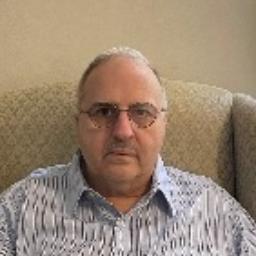
About Charles
In sessions he aims to build clear goals together and works at a pace that feels manageable. He listens for patterns that fuel anxiety, anger, or obsessive thinking and helps people try different ways of responding. For trauma and abuse concerns he focuses on supporting safety in the room and helping people regain a sense of control over reactions and daily life.
Charles draws on evidence-based therapeutic techniques to address mood disorders and trauma-related issues. He also brings experience working with first responder concerns, obsessive-compulsive symptoms, and paranoia. Conversations typically include practical strategies to reduce distress and small, measurable steps toward change.
He keeps language simple and direct so people know what to expect from a session. Progress is tracked through regular check-ins and adjustments to the plan when needed. If you want to start, he asks prospective clients to complete an intake and schedule a first appointment.
Sessions are conducted in English and follow local practice standards in South Carolina. Charles emphasizes respectful treatment, steady pacing, and helping people find useful tools they can use between visits.
How evidence-based techniques translate to online care
Charles works from evidence-based therapeutic techniques that emphasize practical skills and steady progress. One common approach focuses on identifying unhelpful thinking and trying alternative responses to reduce anxiety and depression symptoms. This helps people notice patterns and practice different reactions in daily life.A second approach used in his work centers on managing trauma responses by building safety and control over symptoms. That involves slowing down, naming reactions, and testing small behavioral steps to feel less overwhelmed. These methods are often helpful for trauma and abuse concerns, anger, and mood instability.
Choosing the right approach is collaborative. The therapist will talk with each person about their needs, goals, and preferences and then try methods that match those priorities. Adjustments are made along the way so the plan fits how someone is actually doing.
Session formats are not specified in the biography, so confirm current options before booking. Online therapy can make it easier to fit appointments into a busy schedule, reduce travel time, and allow for shorter check-ins when needed. It also lets people continue work with licensed professionals from different locations while focusing on practical strategies that translate into everyday life.
Frequently asked questions
What concerns does Charles focus on?
He focuses on stress, anxiety, trauma and abuse, anger, bipolar disorder, and depression, with additional attention to first responder issues, obsessions and compulsions, and paranoia.
What is his therapeutic style like?
He uses clear, practical language and works collaboratively to set small goals. Sessions emphasize listening, tracking progress, and trying manageable strategies between visits.
How much experience does he have?
He has 20 years of professional experience working with mood, anxiety, and trauma-related concerns.
What are his credentials and region?
He is a Licensed Professional Counselor, LPC, practicing in South Carolina.
Which languages are supported?
Sessions are offered in English.
Can international clients work with him?
He is not currently accepting international clients.
How are sessions priced and billed?
Cost varies with location and therapist availability; sessions use a subscription that can be canceled at any time.
How do I begin working with him?
Click the Start Therapy button, complete a short matching questionnaire, and schedule according to therapist availability.