- Trauma informed approach
- Practical coping skills
- Collaborative goal planning
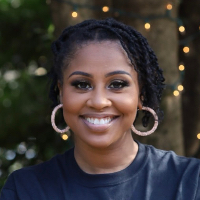
About Chiquita
Patterson has worked across a range of settings including psychiatric residential programs, intensive in-home services, and outpatient care for both children and adults. She also supervised a program focused on employment, education, and health for young adults up to age 24. This mix of roles gave her experience with common concerns such as OCD, ADHD, parenting problems, and grief.
Her counseling style is relatable and interactive. Sessions focus on practical conversation, goal setting, and skills that people can use between meetings. She combines cognitive behavioral techniques with mindfulness and solution-focused strategies, and adjusts plans to each person’s needs.
She emphasizes treating people with respect, sensitivity, and compassion, and avoids stigmatizing labels. Patterson aims to empower clients to take manageable steps toward a more fulfilling life. If someone is ready to begin, she supports them through the start of that process.
Background and approach information is rooted in her years of varied clinical work and program supervision. Her practice draws on techniques that target thoughts, present-moment awareness, and small measurable changes. Those tools are used to address issues such as trauma, relationship concerns, addictions, parenting strain, and career stress.
How CBT, Mindfulness, and Solution-Focused Work Online
Chiquita Patterson uses cognitive behavioral ideas to help people notice unhelpful thoughts and try small changes in behavior. CBT techniques are often helpful for anxiety, depression, and managing mood or attention challenges.She also draws on mindfulness approaches that teach simple ways to pay attention to the present moment. Mindfulness can help reduce reactivity, improve sleep, and support coping after trauma or high stress.
Solution-focused methods emphasize small, concrete steps toward goals. This approach looks for practical strategies and built-in strengths to move someone toward clearer daily routines and problem solving.
Finding the right approach is a collaborative process. The therapist will work with the client to choose or blend methods based on needs, goals, and personal preferences. Sessions are shaped together so the plan feels practical and relevant.
Session delivery options are not specified in the biography, so confirm current session formats before booking. Online therapy can make it easier to fit meetings into a busy life, reduce travel time, and allow shorter check-ins when needed. Licensed professionals can adapt CBT, mindfulness, and solution-focused work to remote settings while keeping the focus on usable tools and steady progress.
Frequently asked questions
What concerns does she help with?
She helps people dealing with stress, anxiety, depression, trauma and abuse, and relationship challenges. Other areas include addictions, grief, parenting strain, ADHD, and career or life transitions.
What is her therapeutic style like?
Her style is relatable and interactive, focusing on practical conversation and skills. She avoids stigmatizing labels and aims to tailor a plan that fits each person's needs.
What experience does she bring to therapy?
She has 11 years of experience working in psychiatric residential settings, intensive in-home services, and outpatient care, plus program supervision for young adults up to age 24.
What credentials and location apply?
She holds LPC and LCMHC credentials and practices in North Carolina.
Which languages are sessions offered in?
Sessions are offered in English.
Can international clients work with her?
She does not accept international clients at this time.
How does cost work for sessions?
Cost varies with location and therapist availability; sessions use a subscription that can be canceled at any time.
How do I begin working with her?
Click the Start Therapy button, complete a short matching questionnaire, and schedule according to the therapist's availability.