- Self acceptance focus
- Mindfulness practices
- Practical homework
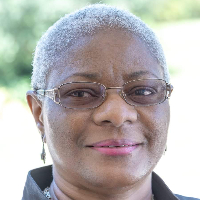
About Claudette
She uses a client-centered stance that keeps the person’s goals first. Sessions include practical steps such as noticing long-held beliefs, trying new behaviors, and practicing exercises between meetings. Clients may be asked to complete short homework tasks and to use guided tutorials to reinforce what they learn in sessions.
Mindfulness and meditation are woven into the work when helpful. These practices are offered as simple tools to manage stress, reduce reactivity, and support calmer daily routines. Claudette combines these practices with evidence-informed methods such as cognitive behavioral techniques and other approaches tailored to each person.
Her background emphasizes life-stage transitions, trauma and abuse, caregiving stress, addictions, and issues tied to identity such as LGBT concerns. She helps people identify internal resources, make changes, and build more meaningful routines and relationships.
Claudette describes therapy as a collaborative process. She guides people through focused exercises, practical coping skills, and reflective practices aimed at steady, sustainable change.
How therapeutic approaches translate to online work
Acceptance and Commitment Therapy, often called ACT, helps people clarify what matters to them and take small committed steps toward those values while learning to live with difficult thoughts. It can be useful for anxiety, depression, and life transitions. Client-Centered Therapy emphasizes the person’s own goals and pace, with the therapist offering empathetic listening and gentle reflection to help people uncover their own solutions. Cognitive Behavioral Therapy focuses on identifying unhelpful thinking and trying different behaviors to change mood and functioning; it is practical for stress, anxiety, and coping skills.Finding the right approach is part of the process. The therapist works collaboratively to decide which methods fit a person’s needs, goals, and preferences. Expect some trial and adjustment early on as techniques are adapted to each person’s situation.
Confirm the specific online session options before booking, as formats are not listed here. In general, online sessions can make it easier to fit therapy into a busy life by reducing travel time and allowing work around family or job commitments. Some formats may also let people check in with shorter appointments, use phone audio when bandwidth is low, or continue regular practice with guided tutorials between sessions. Licensed professionals can tailor techniques like ACT, CBT, and client-centered listening to the online setting so people keep making steady progress.
Frequently asked questions
What concerns does Claudette commonly help with?
She works with people facing stress, anxiety, depression, grief, relationship and intimacy issues, addictions, and trauma and abuse.
What is her general approach in sessions?
Her style is client-centered and collaborative, using exercises, homework, and mindfulness to support practical change.
How much experience does she have?
Claudette has 19 years of experience as a practicing mental health professional.
What are her credentials and where is she based?
She is a Florida licensed mental health counselor, credentialed as LMHC, and practices from Florida.
Which languages are supported for sessions?
Sessions are offered in English.
Can people outside the U.S. connect for therapy?
International clients are accepted, so people outside the U.S. may be able to work with her.
How are fees and payment handled?
Cost varies by location and therapist availability, and sessions use a subscription that can be canceled at any time.
What steps are needed to begin working together?
Start by selecting the Start Therapy button, completing a short matching questionnaire, and scheduling according to therapist availability.