- 25 years experience
- Trauma and abuse focus
- Cognitive Behavioral Therapy
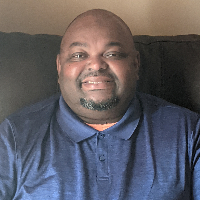
About Clifford
Hamilton earned a Master of Education with a concentration in Counseling and Psychology from Troy University and a Bachelor of Sociology from Brewton Parker College. He also serves as CEO of CareMore Counseling Center, LLC in Sandersville, Georgia. Those roles reflect long experience in clinical settings and program leadership.
In sessions he aims to help people with problems such as addictions, trauma and abuse, anxiety, anger, parenting stress, grief, and self-esteem. He also supports work on relationship concerns, career questions, life changes, and ADHD. He uses straightforward techniques to help people break down big problems into manageable steps.
His main orientation is Cognitive Behavioral Therapy (CBT). He also uses Client-Centered methods, Dialectical Behavior Therapy, Motivational Interviewing, Solution-Focused techniques, and trauma-focused work when appropriate. Treatment is adapted to what a person needs rather than following a single formula.
People who come to him can expect clear goals, practical skill-building, and a focus on what helps in daily life. He works with individuals to identify patterns, try new strategies, and track progress over time. To start, users are asked to complete a short matching questionnaire and then schedule according to therapist availability.
How therapeutic approaches shape online work
Client-Centered Therapy emphasizes listening and building trust. The therapist follows the person's lead, reflecting concerns and priorities to help them feel understood and to shape goals. Cognitive Behavioral Therapy focuses on the link between thoughts, feelings, and actions and teaches practical skills for managing anxiety, anger, and addictive behaviors.Finding the right approach is a collaborative process. The therapist will talk with each person about their goals and preferences and then try techniques that fit those needs. Treatment can be adjusted over time based on what helps most in day-to-day life.
Session formats are not specified in the provided biography, so confirm current options before booking. Online therapy can make it easier to fit sessions into a busy routine, reduce travel time, and allow check-ins during work breaks or between appointments. It also lets people choose encounters that match their comfort level, such as shorter focused sessions or longer therapy visits, depending on what the therapist offers and what works best for the individual.
Frequently asked questions
What concerns does Clifford address in sessions?
He helps people with addictions, trauma and abuse, anxiety, anger, parenting stress, grief, self-esteem, career issues, and coping with life changes among other concerns.
How would you describe his therapeutic style?
He takes a practical, goal-oriented approach grounded in Cognitive Behavioral Therapy and borrows techniques from other methods to meet individual needs.
What is his background and experience?
He holds a Master of Education in Counseling and Psychology and a Bachelor in Sociology, and he has 25 years of experience working in counseling and psychology settings.
What credentials and region are listed?
He is a Licensed Professional Counselor, LPC, practicing in Georgia and serving clients in that state.
Which languages are offered for sessions?
Sessions are offered in English only.
Can people from other countries work with him?
He does not accept international clients at this time.
How are session costs handled?
Cost varies with location and therapist availability; sessions use a subscription that can be canceled at any time.
What should I do to begin therapy?
Click the Start Therapy button, complete a short matching questionnaire, and then schedule sessions according to the therapist's availability.