- Trauma aware
- Relationship focus
- Practical tools
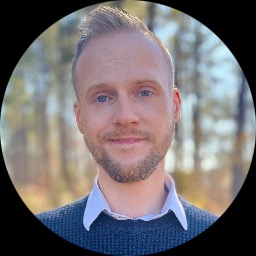
About Curtis
How Curtis' approaches translate to online work
Attachment-Based Therapy looks at how early relationship patterns shape current connections and communication. Online sessions can help identify those patterns and practice different ways of relating in everyday life, especially around intimacy and commitment struggles.Client-Centered Therapy centers the person's experience, using empathic listening and reflection to help people feel heard and make choices that fit their values. In an online setting this approach supports honest conversation about identity, shame, and life direction.
Cognitive Behavioral Therapy (CBT) focuses on the link between thoughts, feelings, and actions and teaches concrete skills to change unhelpful patterns. It can be useful for anxiety, depression, and addiction-related thinking, and works well when paired with in-session practice and between-session exercises.
Finding the right approach is part of the work. The therapist will collaborate with each person to choose methods that fit their goals, comfort, and preferences. That process may shift over time as needs change and progress is made.
Session logistics can make therapy easier to fit into a busy life. Because session formats were not specified in the biography, confirm current session options before booking. Many people find that remote sessions save travel time, allow shorter check-ins when schedules are tight, or make it easier to maintain continuity while juggling work and family commitments.
Frequently asked questions
What kinds of concerns does Curtis work with?
Curtis helps with stress, anxiety, depression, trauma and abuse, relationship and intimacy issues, addictions, self-esteem, and related concerns such as family problems and life changes.
What is his therapeutic style like?
He blends deep listening with practical steps, using warmth and occasional humor to build a working relationship and then addressing patterns that cause pain.
What background does Curtis bring to therapy?
He has three years of clinical experience and focuses on both everyday problems and deeper issues like trauma, attachment, and co-occurring conditions.
Where is Curtis licensed and practicing?
He is a Licensed Professional Counselor (LPC) practicing in South Carolina.
Which languages are supported for sessions?
Sessions are offered in English.
Can international clients work with Curtis?
International clients are not currently accepted.
How are fees and payment handled?
Cost varies with location and therapist availability; sessions use a subscription that can be canceled at any time.
How do I begin working with him?
Select the Start Therapy button, complete a short matching questionnaire, and schedule according to therapist availability.