- Person-centered care
- Attachment-focused work
- Skill building
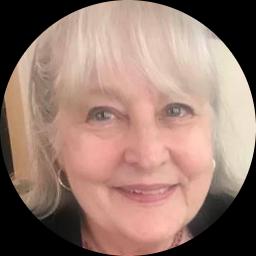
About Cynthia
With 15 years of documented experience, she draws on an approach that centers the person and their needs. Sessions focus on building safety, understanding attachment patterns, and developing practical skills for day-to-day life. Conversations are collaborative, with goals set together and steps that feel realistic for each family or individual.
Dr. Agbayani uses a blend of methods tailored to the concern at hand. She may include cognitive strategies to shift unhelpful thoughts, acceptance-based practices to handle strong emotions, and attachment-focused work to repair strained relationships. Mindfulness and focused problem-solving are often part of the process when helpful.
She has long experience working with a wide range of mental health challenges, including severe and complex presentations. That background informs a steady, pragmatic style that balances support with clear guidance. Her aim is to help people gain tools they can use between sessions.
People who choose to work with her should expect straightforward conversation, measurable steps, and encouragement along the way. To begin, clients follow the standard intake steps to match with a therapist and plan initial sessions based on mutual goals and timing.
Therapeutic approaches and online care
Acceptance and Commitment Therapy (ACT) focuses on noticing difficult thoughts and feelings without getting stuck in them. It helps people commit to actions that reflect their values even when emotions are intense. Attachment-Based Therapy looks at how early relationships shape current patterns and aims to rebuild trust and connection in important relationships. Client-Centered Therapy centers the person's experience, with the therapist offering empathy and support while clients lead the pace and topics.Finding the right approach is part of the work together. The therapist will discuss your goals, preferences, and what feels most helpful, then adapt methods to fit your situation. This is framed as a collaborative process rather than a fixed program.
Session formats are not listed in the biography, so confirm available online options before booking. In general, online therapy can make it easier to fit sessions into a busy schedule, allow shorter check-ins when needed, and avoid travel time. It also lets people use approaches like ACT, attachment work, and client-centered conversation in ways that fit daily life, with practical skill-building and goal setting carried out between meetings.
Frequently asked questions
What concerns does she address?
She supports people with trauma and abuse, relationship and family difficulties, grief, parenting strain, anxiety, depression, bipolar mood issues, addictions, ADHD, and related problems.
How would you describe her therapeutic style?
Her style is direct and empathic with a person-centered focus. She collaborates on goals and uses practical steps tailored to each person's needs.
What is her clinical background?
She has 15 years of documented experience working across a range of mental health concerns and with varied severity, which informs a steady, pragmatic approach.
What credential does she hold and where is she based?
She is a Licensed Professional Counselor, LPC, and practices in Virginia.
Which languages are offered for sessions?
Sessions are offered in English, and she accepts international clients.
What session formats are available?
Session formats are not specified in the biography; please confirm current options before booking.
How does payment and cost work?
Cost varies with location and therapist availability; sessions use a subscription that can be canceled at any time.
How do I begin working with her?
Start by selecting the Start Therapy button, complete a short matching questionnaire, and schedule sessions according to the therapist's availability.