- Client-centered care
- Skills-based tools
- Trauma-aware approach
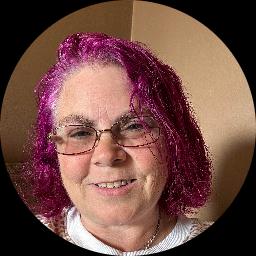
About Cynthia
Her approach emphasizes clear, practical steps. She uses Client-Centered Therapy to follow what matters most to the client. She applies Cognitive Behavioral Therapy to identify unhelpful thinking and build different responses. Dialectical Behavior Therapy skills are used when emotion regulation and interpersonal boundaries are priorities.
Cynthia also integrates mindfulness practices and hypnotherapy when these fit a person's goals. She supports people coping with life changes, sleep problems, bipolar disorder, ADHD, and trauma and abuse concerns. She can help with issues such as abandonment, attachment and communication problems, codependency, and recovery from domestic violence or separation.
Sessions focus on what a client wants to change and on small, achievable steps toward those goals. Cynthia emphasizes collaboration and practical tools clients can try between sessions. Her style is direct but caring, helping people build confidence and better ways to manage stress and relationships.
People interested in working with Cynthia will find a clinician who listens first and then helps craft a plan that fits their life and priorities.
How Cynthia Uses Talk Therapy and Skills Online
Client-Centered Therapy focuses on following the client's priorities. The therapist listens closely, reflects what matters to the person, and shapes sessions around their goals. This approach helps people feel heard and involved in decisions about their care.Cognitive Behavioral Therapy, or CBT, looks at thoughts, feelings, and actions. Cynthia helps people spot patterns of thinking that increase stress or anxiety and then practices new behaviors and coping skills. CBT is useful for worry, low mood, sleep problems, and many everyday struggles.
Finding the right approach is part of the work. Cynthia collaborates with each person to decide which methods fit best for their needs and preferences. She may combine elements from different approaches and adjusts as goals change over time.
Online therapy can make it easier to fit sessions into a busy life. It can reduce travel time and allow for shorter check-ins when needed. Because session formats are not listed in the original biography, confirm current options before booking so you know how sessions will be scheduled. The therapist will help plan a usable rhythm of meetings and exercises that match daily routines and goals.
Frequently asked questions
What concerns does Cynthia commonly address?
She helps people with stress, anxiety, depression, parenting challenges, anger, self-esteem, intimacy-related issues, sleeping problems, bipolar disorder, ADHD, and trauma and abuse.
How would you describe her therapy style?
Her style is collaborative and practical. She listens first, then helps people set clear goals and uses skill-building between sessions.
What experience does she bring to sessions?
She has nine years of professional experience supporting people through emotional and life challenges and tailoring plans to individual needs.
Where is she licensed and based?
She is a Licensed Clinical Mental Health Counselor, LCMHC, licensed in North Carolina.
Which languages are sessions offered in?
Sessions are offered in English.
Can people outside the United States work with her?
She is not accepting international clients at this time.
How does payment and cost work?
Cost varies with location and therapist availability; sessions use a subscription that can be canceled at any time.
How do I begin working with Cynthia?
Select the Start Therapy button, complete a short matching questionnaire, and then schedule based on therapist availability.