- Humanistic approach
- Trauma-aware care
- English and Persian
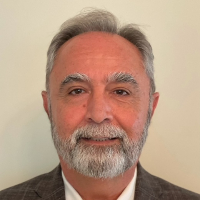
About Darius
He draws on humanistic principles that emphasize respect and acceptance for each person. In sessions he mixes approaches such as cognitive behavioral therapy, acceptance and commitment therapy, dialectical behavior therapy, existential therapy, and mindfulness. That blend lets him match tools to a person’s needs rather than using a single method.
People who come to him often want help with anxiety, stress, grief, addictive patterns, intimacy and self-esteem. He also supports those coping with parenting strain, sleep disruption, life changes, and workplace or multicultural stressors. Trauma and abuse experience is part of his clinical background.
His work focuses on practical steps and clearer choices. Expect conversations that clarify values, build coping skills, and address relationship patterns. He also offers coaching-style guidance for career and life-purpose questions.
Sessions are available in English and Persian, and he accepts international clients. If someone wants to explore a different life path or reduce ongoing distress, he offers a collaborative approach to help them move forward.
How his approaches translate to online work
ACT, or Acceptance and Commitment Therapy, helps people identify what matters most and take small steps toward those values while accepting uncomfortable feelings. It is often useful for anxiety, depression, and life transitions. Cognitive Behavioral Therapy focuses on practical skills to change unhelpful thoughts and behaviors and is commonly used for anxiety, depression, and sleep problems.Client-Centered Therapy emphasizes listening and respect, letting the person guide the conversation while the therapist offers empathy and reflection. This approach helps create a steady space to talk through difficult experiences and build self-direction.
Finding the right approach is part of the work. The therapist will collaborate with each person to choose techniques that match their goals, needs, and preferences. That may mean trying a skill-based tool one week and a values-oriented exercise the next.
Confirm which session formats are offered before booking. Many people find online therapy easier to fit into a busy life because it reduces travel and can make scheduling shorter check-ins simpler. Online sessions can allow consistent weekly work, flexible timing across time zones for international clients, and easier access to therapists who use ACT, CBT, or client-centered methods.
Frequently asked questions
What kinds of concerns does he help with?
He works with a wide range of issues including stress, anxiety, depression, relationship and intimacy problems, grief, addictions, and trauma and abuse.
What is his therapy style like?
His style is humanistic and client-centered, offering unconditional regard while drawing on CBT, ACT, DBT, existential and mindfulness techniques as needed.
How long has he been practicing?
He has 26 years of professional experience working with people on life transitions, trauma, mood concerns, and relationship issues.
Where is he based and what credential does he hold?
He is a Licensed Professional Counselor (LPC) practicing in Georgia.
Which languages are supported for sessions?
Sessions are offered in English and Persian.
Can people outside the United States work with him?
He accepts international clients.
How are fees and payment handled?
Cost varies with location and therapist availability, and sessions use a subscription that can be canceled at any time.
How do I begin therapy with him?
Click the Start Therapy button, complete a short matching questionnaire, and schedule sessions according to therapist availability.