- Trauma and abuse focus
- Practical coping skills
- Collaborative approach
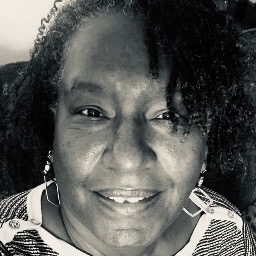
About Darlene
She helps people dealing with stress, anxiety, depression, relationship difficulties, trauma and abuse, addiction, grief, parenting strain, and issues around intimacy or self-worth. Her background includes work across clinical settings, and she draws on a range of approaches to match each person’s needs. Sessions often focus on clear goals, skill building, and real-world steps people can try between meetings.
Her style is collaborative and down-to-earth. She listens first, then helps people name what matters and decide what to try next. People can expect practical tools for coping, strategies to shift unhelpful patterns, and attention to how feelings and relationships affect daily life.
Dr. Anderson uses methods such as client-centered counseling, cognitive behavioral techniques, dialectical behavior strategies, mindfulness, and motivational interviewing. These approaches are applied in ways that fit each person’s goals and comfort level rather than as fixed protocols.
If someone prefers a clear, compassionate therapist who focuses on real changes and workable coping skills, Dr. Anderson offers that kind of collaborative support.
How her approaches shape online therapy
Client-centered therapy emphasizes understanding the person's perspective and building a trusting relationship; it helps when someone needs a supportive space to talk and be heard. Cognitive Behavioral Therapy, or CBT, focuses on identifying unhelpful thoughts and trying small behavior changes to reduce anxiety or depression symptoms. Dialectical Behavior Therapy, or DBT, offers practical skills for managing intense emotions and improving relationships.Choosing the right approach is a collaborative process. The therapist will work with each person to identify goals, try approaches that match those goals, and adjust methods based on what helps most. This means the first sessions often involve exploring what feels most useful and realistic for the person's life.
Session formats are not specified in the provided biography, so confirm current options before booking. Online work can make it easier to fit therapy into a busy schedule, allow shorter check-ins when needed, and reduce travel time. It also lets people use mindfulness exercises, worksheets, and skills practice between sessions so therapy can connect directly to everyday routines.
Frequently asked questions
What concerns does she commonly address?
She works with stress, anxiety, depression, relationship problems, trauma and abuse, addiction, grief, parenting challenges, self-esteem, bipolar issues, and related areas.
How would you describe her therapy style?
Her approach is collaborative and straightforward. She listens first, then helps set goals and teaches skills people can use between sessions.
What is her clinical background?
She has 20 years of experience in clinical settings and private practice and has worked with a wide range of concerns across multiple service settings.
What credentials and region are listed?
She holds LPC (Licensed Professional Counselor) and LCMHC (Licensed Clinical Mental Health Counselor) credentials and practices in Virginia.
Are sessions available in other languages?
Sessions are offered in English.
Can international clients work with her?
She is not currently accepting international clients.
How are fees and billing handled?
Cost varies with location and therapist availability; sessions use a subscription model that can be canceled at any time.
What are the steps to get started?
Click the Start Therapy button, complete a short matching questionnaire, and schedule a session according to therapist availability.