Therapist listings are provided by BetterHelp. We will earn a commission at no extra cost to you if you use our links to buy.

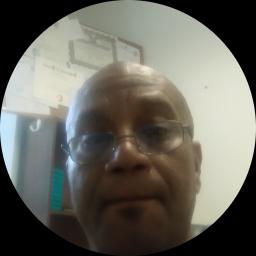
Dr. Darryl Mccarroll

Dr. Darryl Mccarroll, LCSW

Therapist in North Carolina

Trauma-informed, goal-focused social worker

Continue with Darryl

Review online therapy options on BetterHelp.

Areas of expertise

Also works with

Relationship issuesGriefIntimacy-related issuesAnger managementBipolar disorderDepressionCoaching

Additional focus areas

Communication problemsFirst responder issuesForgivenessGuilt and shameIsolation / lonelinessLife purposeVeteran and Armed Forces IssuesMulticultural concernsPersonality disordersPolyamory / non-monogamous relationshipsProcess addiction (porn, exercise, gambling)Self-loveSexual assault and abuseSocial anxiety and phobia

Therapeutic approaches

Client-Centered TherapyCognitive Behavioral Therapy (CBT)Dialectical Behavior Therapy (DBT)Emotionally-Focused Therapy (EFT)Eye Movement Desensitization and Reprocessing (EMDR)HypnotherapyMindfulness TherapyMotivational InterviewingNarrative TherapyPsychodynamic TherapyTrauma-Focused Therapy

Experience

8+ years

Credentials

North Carolina

Languages

English

  • Trauma and abuse
  • Stress and anxiety
  • Addiction support

About Darryl

Dr. Darryl Mccarroll is a licensed clinical social worker who centers his practice on helping people move forward after trauma and other difficult life events. He uses a practical, person-focused approach to help people manage stress, anxiety, addiction, grief, relationship struggles, and low self-esteem. Dr. Mccarroll brings eight years of clinical experience and a background that includes military service and community work. He draws on Client-Centered methods to build a trusting working relationship and uses Cognitive Behavioral Therapy to help people notice and change unhelpful thoughts and behaviors. Dialectical Behavior Therapy skills are part of his toolbox for managing intense emotions and improving coping. He also offers approaches used for trauma processing and for addressing painful memories. His path includes a Master of Social Work and a Doctor of Social Work. He has worked in nonprofits, hospitals, group homes, orphanages, and schools, and has experience counseling individuals and couples and leading groups. He also has experience with substance-related concerns and process addictions. Dr. Mccarroll has military experience and understands some issues veterans and first responders face. He also addresses multicultural and life-purpose concerns, communication problems, intimacy questions, and challenges related to sexual assault and abuse. People who choose him can expect straightforward conversations about goals and practical steps to try between sessions. To begin, readers should confirm current session options and scheduling before booking.

How therapeutic approaches translate to online work

Client-Centered Therapy focuses on listening closely and following the person's lead to build trust and clarity; online sessions can still center on straightforward listening and real-time feedback to help people feel heard. Cognitive Behavioral Therapy (CBT) breaks problems into thoughts, feelings, and behaviors and uses practical exercises and homework to change patterns; that structure transfers well to online sessions where worksheets and short between-session tasks can be assigned. Dialectical Behavior Therapy (DBT) teaches emotion regulation, distress tolerance, and interpersonal skills that can be practiced in sessions and reinforced between meetings. Finding the right approach is a collaborative process. The therapist will work with each person to pick or combine methods based on goals, preferences, and what feels most useful. It is common to try a few approaches early on and adjust as needs become clearer. Because session formats are not specified here, confirm current options before booking. Online therapy can make it easier to fit meetings into a busy life, reduce travel time, and allow shorter check-ins when schedules are tight. It also lets people use written materials and home practice as part of therapy, and supports regular pacing of sessions that matches daily routines.

Frequently asked questions

What concerns does this therapist commonly address?

He helps people with trauma and abuse, stress, anxiety, depression, addictions, grief, relationship and intimacy issues, anger, bipolar concerns, and self-esteem.

How would you describe his therapeutic style?

His style is person-centered and practical, combining Client-Centered approaches with CBT and DBT skills to address thoughts, feelings, and behavior.

What is his professional background?

He holds a Master of Social Work and a Doctor of Social Work and has eight years of clinical experience across nonprofit and clinical settings.

Where is he licensed and based?

He is an LCSW licensed in North Carolina and practices from that state.

Which languages are supported for sessions?

Sessions are offered in English and international clients are accepted.

What session formats are available?

Session formats are not specified here; please confirm current session options with the service before booking.

How does payment and cost work?

Cost varies with location and therapist availability; sessions use a subscription that can be canceled at any time.

How do I begin working with him?

Click the Start Therapy button, complete a short matching questionnaire, and schedule based on the therapist's availability.

Back to all therapists

Dr. Darryl MccarrollReview online therapy options on BetterHelp.

Continue with Darryl