- Trauma-aware
- Mindfulness tools
- Practical strategies
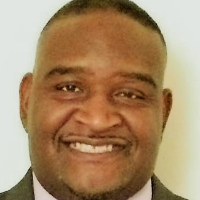
About David
He trained in social work and holds a Master of Social Work from Stony Brook University. David describes his style as warm and person-centered, which means he centers each session on the person in front of him and moves at a pace that feels right for them. He uses practical tools from cognitive behavioral therapy and motivational interviewing alongside mindfulness skills to help people notice patterns and try new ways of responding.
In sessions he listens first, then builds goals together. Expect a mix of talking, skill practice, and small experiments to test new approaches between sessions. He often helps people handle life transitions, career stress, compassion fatigue, caregiver strain, and issues around money, commitment, or family dynamics.
David has worked with a broad range of people, including veterans and older adults, and has experience supporting those facing serious illness, end-of-life challenges, or adjustment after incarceration. He emphasizes respect and dignity in each interaction and partners with people to create realistic, manageable steps forward.
If you are thinking about starting therapy, he asks that you complete the initial match questionnaire and schedule a first session so you can see if his approach fits your needs.
How his approaches translate to online care
David blends client-centered care with cognitive behavioral therapy and mindfulness in ways that work well over distance. Client-centered work means he starts by listening and shaping sessions around each person's goals and preferences. Cognitive behavioral therapy focuses on spotting thoughts and behaviors that maintain problems and trying small experiments to change them. Mindfulness helps people build moment-to-moment awareness and skills for managing strong emotions.Finding the best approach is a collaborative process. He will talk with each person about their needs, goals, and what feels doable. Together they choose which techniques to try and adjust as progress is made, so treatment stays practical and tailored to the person.
Session formats are not specified in the biography, so confirm current options before booking. Online sessions can make it easier to fit therapy into a busy week, shorten travel time, and allow for brief check-ins between longer visits. They also let people practice skills in their everyday routines, which can speed learning and carryover. Discuss format preferences during the initial match so the therapist and client can decide what will work best.
Frequently asked questions
What concerns does David help with?
He works with stress, anxiety, grief, anger, self-esteem, depression, addictions, relationship and intimacy issues, and trauma and abuse among other concerns.
What is his general approach in sessions?
David uses a person-centered style that focuses on the client's needs and pace, adding cognitive behavioral techniques, mindfulness, and motivational interviewing as appropriate.
How much clinical experience does he have?
He has ten years of experience practicing social work and providing therapy in different settings.
What credentials and location are listed?
He holds LCSW and CSW credentials and practices from Georgia.
Which languages does he offer sessions in?
Sessions are offered in English.
Can international clients work with him?
He does not accept international clients at this time.
How are session costs handled?
Costs vary with location and therapist availability; sessions use a subscription that can be canceled at any time.
How do I begin working with him?
Select the Start Therapy button, complete the short matching questionnaire, and then schedule according to the therapist's availability.