- Trauma and abuse focus
- Values-driven strategies
- Calm collaborative style
About Dianne
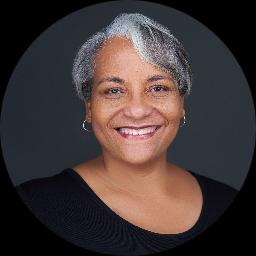
She believes clients are the experts on their own stories and brings a supportive style to sessions. Dianne emphasizes practical steps and small changes that can make daily life feel more manageable. She encourages people to notice strengths they already have and use those strengths when facing hard moments.
Her approach draws on several well-known methods, including acceptance and commitment work, attachment-based ideas, and client-centered listening. Sessions are aimed at clarifying what matters to the person and building skills to live by those values. She also weaves in tools from cognitive behavioral and emotionally-focused practices when helpful.
Dianne has worked with people dealing with first responder-related stress, gender dysphoria concerns, HIV and AIDS issues, hospice and end-of-life challenges, and non-monogamous relationship dynamics. She frames these topics with respect and aims to help people find clearer steps forward.
People who prefer a collaborative, paced style may find her approach accessible. She supports international clients in English and asks prospective clients to complete a short matching questionnaire to begin the intake and scheduling process.
How Dianne’s Approaches Work Online
Acceptance and Commitment Therapy, or ACT, focuses on helping people clarify their values and take small actions that match those values. It teaches simple skills for noticing thoughts and feelings so they have less control over daily choices. Attachment-Based Therapy looks at how early relationships shape current patterns and helps people try new, healthier ways of connecting and responding. It can be useful for those who notice repeating relationship difficulties or trust challenges.Finding the right approach is part of the work together. The therapist will collaborate with each person to see which methods fit their goals, comfort level, and situation. Sessions often blend techniques rather than sticking to only one model, and adjustments are made over time based on what helps.
The profile does not specify session formats, so confirm available options before booking. Online therapy can make it easier to fit sessions into a busy week, reduce travel time, and allow check-ins during breaks or evenings. It can also make shorter check-ins or phone-only conversations simpler when video is not desired. Licensed professionals can adapt ACT and attachment-focused work to online settings to help people practice new responses and skills in everyday life.
Frequently asked questions
What kinds of concerns does this counselor address?
She helps people with stress, anxiety, grief, depression, family conflict, and trauma and abuse. Additional focuses include first responder issues, gender dysphoria, HIV/AIDS, hospice and end-of-life counseling, and polyamory or non-monogamous relationship matters.
How would you describe the therapeutic style?
The style is collaborative and supportive, with emphasis on listening and building on a person’s strengths. Practical steps and values-based choices are used alongside reflective conversation.
What is the therapist’s background?
She has three years of professional work experience and is licensed as an LMHC in Florida.
Where is the therapist located and licensed?
She holds a Florida LMHC credential and practices with that licensure in Florida.
Which languages are supported for sessions?
Sessions are offered in English, and international clients are accepted.
What session formats are available?
The original profile does not list specific session formats. Please confirm current session options with the therapist before booking.
How are fees structured?
Cost varies with location and therapist availability and sessions use a subscription that can be canceled at any time.
How do I begin working with this counselor?
Select the Start Therapy button, complete a short matching questionnaire, and schedule according to therapist availability.