- Client-centered care
- Trauma and abuse focus
- Skills-based strategies
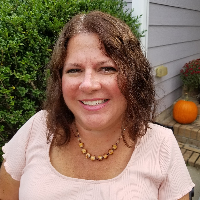
About Dina
Dina uses a client-centered foundation, then draws on other approaches to meet each person's needs. She blends skills from cognitive behavioral methods and dialectical behavior tools to address mood, panic, and difficult thoughts. Mindfulness practices and Jungian ideas may appear when they fit the work.
Her background includes five years of clinical practice as an LMFT, with additional experience in community mental health and clinical assessment settings noted in her broader history. That mix shaped her focus on issues like addiction, grief, caregiver stress, chronic illness, and women’s concerns.
In sessions she aims to help people build coping skills, manage strong emotions, and tackle patterns that feed anxiety or low self-esteem. She also helps with relationship stress and parenting challenges by focusing on clear, usable strategies.
Dina describes therapy as a collaborative process. She works with each person to choose techniques that match their goals and life demands, and adjusts the approach as work progresses.
How therapeutic approaches guide online work
Dina integrates client-centered therapy and cognitive behavioral therapy to shape online work. Client-centered therapy focuses on listening and building trust so the person directs the pace and priorities. Cognitive behavioral therapy breaks down unhelpful thoughts and behaviors into practical steps and exercises that can be practiced between sessions.She also uses dialectical behavior therapy tools to teach emotion regulation, distress tolerance, and interpersonal skills. Those DBT techniques are helpful for intense mood swings, panic, and relationship stress because they provide concrete coping steps to use when emotions rise.
Finding the right approach is a collaborative process. Dina will talk with each person about their goals and preferences, try techniques that match those needs, and adjust the plan based on what helps. That means the work often mixes listening with skills practice and small homework tasks to build progress.
Session formats are not specified here, so please confirm the current online options before booking. Many people choose online therapy because it can fit into busy days, reduce travel time, and make it easier to maintain continuity when schedules change. Licensed therapists can use video or shorter check-ins to focus on skills-building, or adapt exercises so they work well in an online meeting.
Frequently asked questions
What kinds of concerns does this therapist address?
She helps with stress, anxiety, depression, addictions, grief, trauma and abuse, relationship strain, parenting pressures, and self-esteem issues.
How would you describe the therapy style and approach?
Therapy is client-centered and collaborative, using CBT and DBT techniques along with mindfulness and Jungian ideas when appropriate.
What experience does the therapist bring?
She has five years of experience as an LMFT and has worked in community mental health and clinical assessment roles earlier in her career.
What credentials and region are listed?
The clinician is an LMFT licensed in North Carolina and practices from that state.
Which languages and international options are available?
Sessions are offered in English and international clients are not accepted at this time.
What session formats are offered?
Specific session formats are not listed here; please confirm current session options before scheduling.
How is cost handled for sessions?
Cost varies with location and therapist availability, and sessions use a subscription that can be canceled at any time.
How do I begin working with this therapist?
Start by selecting the Start Therapy button, completing a short matching questionnaire, and scheduling according to therapist availability.