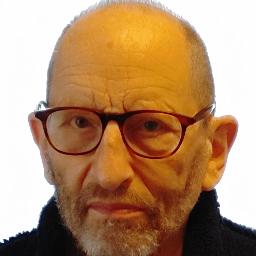
- 52 years experience
- Evidence informed methods
- Accepts international clients
About Donald
He often helps people living with mood disorders like bipolar disorder and persistent depression. He also works with those coping with grief, anxiety, relationship or intimacy concerns, addiction, and trauma and abuse. His background includes work with deteriorative neurodegenerative disorders such as ALS and MS, and with people affected by life-altering burns and chronic illness.
Clinical practice focuses on practical problem solving and changing unhelpful thinking and behavior. He uses approaches such as cognitive behavioral techniques and attachment-based ideas to help people try new ways of responding to stress and relationships. Motivational interviewing and psychodynamic perspectives also inform his work where appropriate.
Sessions aim to identify patterns that no longer serve the person and to build alternative strategies. He emphasizes clear, evidence-informed methods that target thoughts, feelings, and behavior. That often means working together on small, doable changes between meetings.
Clients can expect a steady, experience-based approach that balances practical tools with attention to how early relationships shape current reactions. He works in English and accepts international clients. To begin, prospective clients follow the site process to match and schedule sessions.
How his approaches shape online work
Attachment-Based Therapy looks at how early bonds influence current relationships and emotional responses. It helps people understand patterns around closeness and trust and try different ways of relating in day-to-day life.Cognitive Behavioral Therapy (CBT) focuses on the link between thoughts, feelings, and actions. It gives specific strategies to change unhelpful thinking and build healthier behaviors, which can reduce anxiety, depression, and addictive patterns.
Finding the right approach is part of the process. The therapist will work collaboratively to choose approaches that fit the client's needs and goals. Together they will check what methods feel most helpful and adjust as progress is made.
Online therapy can make it easier to fit sessions into a busy life, such as shorter check-ins during a workday or avoiding travel time. Because the biography does not list session formats, confirm the available online or in-person options before booking. Many people find virtual sessions useful for continuity of care and for accessing experienced clinicians across distances.
Frequently asked questions
What kinds of problems does he address?
He works with a wide range of concerns including stress, anxiety, depression, relationship and intimacy issues, trauma and abuse, addictions, grief, and caregiving strain.
What is his therapeutic style like?
He combines practical problem solving with techniques to shift unhelpful thoughts and behaviors. Sessions focus on clear steps people can try between meetings.
How much clinical experience does he have?
He has 52 years of experience working with people facing chronic mental health conditions, neurodegenerative disorders, and compassion fatigue among helping professionals.
What credentials does he hold and where is he located?
He holds LISW (South Carolina) and LCSW-C (Maryland) credentials and practices from South Carolina.
Are sessions available in other languages or internationally?
Sessions are offered in English and he does accept international clients.
Which session formats are offered?
The original biography does not specify session formats; please confirm the current session options before booking.
How are fees handled?
Cost varies with location and therapist availability; sessions use a subscription that can be canceled at any time.
How do I begin working with him?
Select the Start Therapy button, complete the short matching questionnaire, and schedule according to the therapist's availability.