- Relationship concerns
- Trauma and abuse
- Sleep and mood
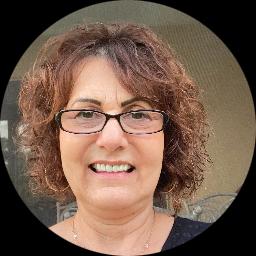
About Elizabeth
She believes the client is the expert on their own story and treats people as partners in the work. Sessions focus on what matters most to the person and on practical steps they can use between meetings. Elizabeth uses gentle, straightforward language so conversations stay clear and useful.
Her work includes a range of specific concerns such as grief, eating difficulties, addictions, and LGBT-related stresses. She also addresses attachment and abandonment issues, body image, communication problems, and caregiver strain. Chronic illness, dissociation, and other complex reactions to trauma are part of her practice as well.
Over 38 years she has learned to blend different ways of working depending on the person in front of her. That might mean addressing unhelpful thoughts, building emotion regulation skills, or strengthening emotional bonds in close relationships. She supports clients in setting realistic goals and tracking progress along the way.
People who choose to work with her can expect steady, respectful guidance aimed at increasing safety, connection, and day-to-day functioning. The focus is on small, manageable changes that add up to better coping and greater satisfaction in life.
How therapeutic approaches translate to online work
Client-Centered Therapy focuses on listening, empathy, and following the person's lead. It aims to create a space where someone can talk through their concerns and feel heard, which is useful for relationship and trauma-related topics.Cognitive Behavioral Therapy, or CBT, looks at how thoughts, feelings, and actions link together. It uses clear, practical techniques to change patterns that contribute to anxiety, depression, sleep problems, and stress.
Dialectical Behavior Therapy, DBT, teaches skills for managing strong emotions and improving interpersonal effectiveness. It can help people who struggle with intense feelings, dissociation, or repeated patterns that harm relationships.
Finding the right approach is part of the work. The therapist will collaborate with each person to decide which methods match their needs, goals, and preferences. That choice can change over time as progress is made.
Session formats are not specified in the biography, so please confirm current options before booking. Online therapy can make it easier to fit sessions into a busy life, reduce travel time, allow shorter check-ins when needed, and offer ways to practice skills between meetings. Licensed professionals can adapt these approaches so the work stays practical and focused, whether addressing trauma responses, mood, sleep, or relationship patterns.
Frequently asked questions
What kinds of problems does she help with?
She helps people with relationship struggles, trauma and abuse, intimacy issues, sleeping difficulties, depression, anxiety, stress, addictions, grief, eating concerns, and LGBT-related challenges.
What is her general therapy style?
She uses a collaborative, client-centered approach that treats the person as the expert on their life and blends practical methods to address symptoms and relationships.
How much experience does she bring?
Elizabeth has 38 years of professional experience working with a wide range of emotional and relational concerns.
What are her credentials and where does she practice?
She is a licensed mental health counselor (LMHC) licensed in Florida and sees clients based in that state.
Which languages are supported for therapy sessions?
Sessions are offered in English.
Can people outside the country work with her?
She does not accept international clients at this time.
How does pricing and payment work?
Cost varies with location and therapist availability; sessions use a subscription that can be canceled at any time.
How do I begin working with her?
To start, select the Start Therapy button, complete a short matching questionnaire, and schedule according to therapist availability.