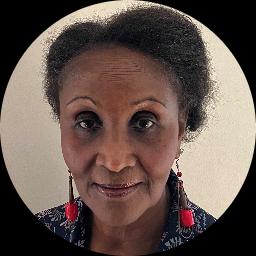
- Trauma and abuse focus
- 22 years experience
- Speaks Kikuyu and Swahili
About Eunice
In sessions she focuses on what is causing distress now and on clear steps to reduce it. That can mean learning new thinking patterns, setting small goals, or practicing ways to calm the body after upsetting events. She uses short, focused strategies when someone needs quick relief and longer-term trauma-focused work when the past is part of current problems.
Her background includes nearly 22 years in clinical practice supporting people through major life changes, compassion fatigue, and challenges related to culture and the military. She also addresses struggles with addiction, bipolar disorder, sleep and eating, intimacy questions, and self-esteem concerns. Veterans and those navigating multicultural stressors are noted areas of focus.
Dr. Ngumba-Gatabaki aims to tailor conversations and treatment plans to each person. Expect a collaborative style that balances listening with practical exercises you can try between sessions. She frames therapy as a step-by-step process and encourages small, steady changes.
She recognizes starting therapy takes courage and offers straightforward guidance to help people move forward. If you want therapy in English, Kikuyu, or Swahili, she can hold sessions in those languages. Confirm session options and scheduling before booking.
Online Approaches That Focus on Change and Healing
Dr. Ngumba-Gatabaki uses Cognitive Behavioral Therapy (CBT) to help people identify unhelpful thought patterns and try new ways of responding. CBT often includes simple exercises and daily habits to reduce anxiety, improve mood, and change behaviors that cause problems. Motivational Interviewing helps people find and strengthen their own reasons for change. It is useful when someone feels stuck or ambivalent about addressing addiction, health behavior, or other life changes.Choosing the right approach is a team effort. The therapist will talk with you about your goals, history, and preferences and together you will decide which methods to try. Plans can be adjusted over time based on what is helping and what is not.
Session options are not listed in the biography, so confirm the current online formats before booking. Online therapy can make it easier to fit sessions into a busy life. It can reduce travel time, allow shorter check-ins when needed, and let people meet from a convenient spot without rearranging their whole day. Licensed professionals can use these approaches in remote work much as they do in person, focusing on practical skills and steady progress.
Frequently asked questions
What concerns does she address?
She works with stress, anxiety, trauma and abuse, grief, depression, addictions, relationship and intimacy issues, eating and sleeping problems, anger, self-esteem, bipolar disorder, ADHD, and related challenges.
What is her therapeutic style like?
She blends practical, goal-oriented methods with trauma-focused care. Sessions involve talking through problems, setting small goals, and practicing new skills between meetings.
How much clinical experience does she have?
She has 22 years of professional experience working in clinical settings with a range of concerns and populations.
What credential does she hold and where is she located?
She is licensed as NC Psychologist 2386 and practices in North Carolina.
Which languages are supported in sessions?
Sessions are offered in English, Kikuyu, and Swahili.
Can people outside the U.S. work with her?
International clients are not currently accepted; she works with clients based in locations that match her licensing and practice rules.
How does cost and billing work?
Cost varies with location and therapist availability; sessions use a subscription that can be canceled at any time.
How do I begin working with this therapist?
Use the Start Therapy button, complete a short matching questionnaire, and then schedule based on the therapist's availability.