- Trauma and abuse support
- Practical coping skills
- Values-based work
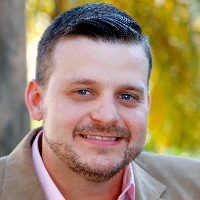
About Evan
He blends Cognitive Behavioral Therapy, client-centered work, Acceptance and Commitment Therapy, mindfulness, and motivational interviewing. Evan pays attention to how thoughts, feelings, and actions connect and helps people learn small changes that make daily life easier. He has led groups teaching CBT and coping skills and has experience running family groups for loved ones of people with substance use or eating disorders.
Evan describes therapy as a collaborative journey. He checks how an approach is working and changes course if it isn’t helping. Sessions tend to focus on practical skills, clear goals, and building strategies that match each person's routine and values.
He also addresses related topics such as parenting strain, men's issues, aging and geriatric concerns, codependency, and communication problems. His work includes support for panic and mood disorders, obsessive-compulsive patterns, and recovery from addictive behaviors.
Evan encourages honesty and curiosity in sessions and supports people in finding what helps them goal by goal. He aims to help clients make steady, workable changes and to leave therapy with tools they can use day to day.
How Evan’s approaches translate to online work
Acceptance and Commitment Therapy (ACT) helps people clarify what matters most and take small actions toward those values while accepting difficult emotions. It can be useful for anxiety, depression, and making life changes. Cognitive Behavioral Therapy (CBT) focuses on the links between thoughts, feelings, and behaviors and teaches practical skills to shift unhelpful patterns; it often helps with panic, mood symptoms, and compulsive behaviors. Motivational Interviewing is a collaborative way to build motivation for change and is commonly used when addressing substance use and other habit-driven concerns.Finding the right approach is part of the process. Evan works together with each person to see which methods fit their needs and goals. He watches how a technique lands and will change direction if something isn’t working, so the plan is tailored over time.
Please confirm the available session formats before booking, as specific options are not listed here. Online work can make it easier to fit therapy into a busy life - it reduces travel time, can allow shorter check-ins when schedules are tight, and helps people continue care from different locations. Licensed professionals can adapt ACT, CBT, and motivational interviewing to an online setting to focus on skills practice, values-driven goals, and step-by-step change without promising a particular format.
Frequently asked questions
What kinds of problems does Evan help with?
He helps people facing stress, anxiety, depression, grief, trauma and abuse, relationship and family concerns, addictions, eating issues, anger, and self-esteem struggles.
What is Evan's style in sessions?
He takes a collaborative, down-to-earth approach and focuses on practical skills and clear goals. Evan adapts methods based on what helps each person most.
How long has he been practicing?
Evan has practiced as a Licensed Mental Health Counselor for six years in Florida and has experience leading CBT and coping skills groups.
What are his credentials and where is he located?
He holds the LMHC credential and practices in Florida as a Florida Licensed Mental Health Counselor.
Can I meet with him in a language other than English?
Sessions are offered in English.
Does he see clients outside the United States?
He does not accept international clients at this time.
How are fees handled for sessions?
Cost varies with location and therapist scheduling; sessions use a subscription model that can be canceled at any time.
How do I begin working with Evan?
Select the Start Therapy button, complete a short matching questionnaire, and schedule according to the therapist's availability.