- Grief and trauma
- Stress and anxiety
- Life transitions
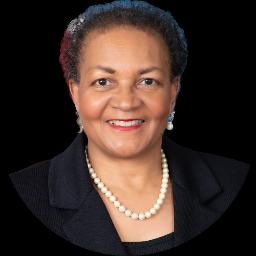
About Freda
She draws on approaches that center the person in front of her and on methods that address unhelpful thoughts and patterns. Sessions often include straightforward tools for coping, ways to reframe stressful thinking, and discussion about next steps a person can try between meetings. The goal is steady progress, not sudden fixes.
Her background includes long experience supporting people facing aging and geriatric concerns, caregiving strain, chronic and terminal illness, and cancer-related stress. She also helps with career transitions, retirement adjustment, financial worries, and relationship problems. This range gives her a broad view of how life transitions and health issues interact with emotions.
Dr. Shipman uses principles from client-centered therapy, cognitive behavioral therapy, motivational interviewing, solution-focused work, and Internal Family Systems to tailor sessions. She meets people where they are and adapts techniques to the goals they bring. Sessions emphasize respect, dignity, and practical problem-solving.
Many clients come seeking help with grief, parenting strain, anger, or rebuilding self-esteem. People who want a steady, compassionate clinician to listen and offer concrete strategies may find her approach helpful.
How therapeutic methods translate to online care
Client-Centered Therapy focuses on listening and supporting the person’s own goals. It helps people feel heard and clarify what matters to them. Cognitive Behavioral Therapy, or CBT, looks at how thoughts and behaviors influence feelings and teaches specific skills to reduce anxiety, manage stress, and change unhelpful patterns.Finding the right approach is part of the work together. The therapist will review your goals and preferences and suggest which methods to try. This is a collaborative process and can be adjusted as therapy progresses.
The biography does not list specific online session formats, so please confirm available options before booking. Online work can make it easier to fit sessions into a busy life by reducing travel time and allowing appointments during work breaks or between errands. It can also make it simpler to continue care during transitions like retirement or relocation. If you prefer techniques that include short skill practices, thought-records, or brief goal-setting between meetings, those can be integrated into online sessions to keep progress moving.
Frequently asked questions
What issues does she help with?
She works with grief, trauma and abuse, stress, anxiety, anger, relationship and family concerns, parenting challenges, career and life transitions, and related issues.
What is her therapeutic style like?
Her approach is warm, collaborative, and person-centered. She combines talking, practical tools, and goal-focused exercises to help people make steady changes.
How much clinical experience does she have?
She has 25 years of experience in clinical settings working with a wide range of life stage and health-related concerns.
What credentials and location are listed?
She is a Licensed Clinical Social Worker with NC LCSW and VA LCSW credentials and practices in Virginia.
Which languages are supported and are international clients accepted?
Sessions are offered in English, and she is not currently accepting international clients.
What session formats are offered?
Specific session formats are not listed in the biography; please confirm current session options before booking.
How are fees and payments handled?
Cost varies with location and therapist availability; sessions use a subscription that can be canceled at any time.
How do I begin working with her?
Click the Start Therapy button, complete a short matching questionnaire, and schedule according to therapist availability.