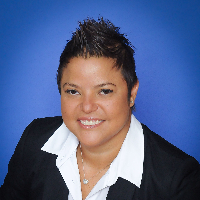
- Trauma informed care
- Addiction support
- Mindfulness and skills
About Martha
Grace emphasizes a respectful, nonjudgmental relationship. Sessions move at a pace set by each person and focus on real-life skills and goals. She blends several therapy methods to match what a person needs rather than following one fixed style.
Her background includes work in outpatient and management roles across care settings, with long experience addressing substance-related and co-occurring concerns. She has helped many people manage drug and alcohol addiction and related codependency issues, as well as difficulties tied to gender identity and LGBTQ topics.
In session, Grace uses practical exercises, mindfulness techniques, and behavioral strategies to reduce symptoms and improve daily functioning. She adapts tools from cognitive-behavioral therapy and acceptance-based work to fit each person’s situation. The therapy plan is collaborative and aims for skills people can use between appointments.
She holds a master’s degree from Nova Southeastern University and a bachelor’s degree in psychology from Florida Atlantic University, and she practices as an LMHC. If someone is ready to begin, she guides them through an initial matching step and scheduling so sessions can fit into busy lives.
How therapeutic approaches shape online work
Acceptance and Commitment Therapy (ACT) encourages people to name what matters to them and to take small steps toward those values while learning to live with difficult thoughts. It can help when worry, avoidance, or painful memories get in the way of daily life. Cognitive Behavioral Therapy (CBT) looks at how thoughts, feelings, and actions connect and uses simple experiments and practice to change unhelpful patterns. It often helps with anxiety, depression, and behavior change. The Gottman Method offers clear, practical skills for improving communication and managing conflict in close relationships and is useful for people working on intimacy-related concerns.Finding the right approach is part of the work. The therapist will talk with each person about goals and preferences and choose methods together. That collaborative process means techniques are adjusted over time to fit what helps most.
The therapist’s biography does not list specific online session formats, so confirm available options before booking. Online sessions can make it easier to fit therapy into a busy schedule, reduce travel time, and allow for shorter check-ins when needed. They also let people try skills in between meetings and bring real-life situations into discussion more quickly. Licensed professionals can guide whether a given approach will work well in an online setting and tailor sessions to a person’s needs.
Frequently asked questions
What kinds of problems does she help with?
She helps people with stress, anxiety, depression, trauma and abuse, addictions, grief, relationship and intimacy concerns, eating issues, anger, bipolar symptoms, and self-esteem struggles.
How would you describe her therapy style?
Her style is warm and interactive, with a focus on respect and practical skills. She blends approaches to tailor treatment to each person.
What is her clinical experience?
She has 21 years of experience working in a range of settings, including roles addressing addictions and co-occurring conditions with adolescents and adults.
What credentials and location are listed?
She is a Florida LMHC and practices in Florida.
In which languages are sessions available?
Sessions are offered in English and international clients are not currently accepted.
What session formats are used?
The original biography does not list specific session formats; please confirm current session options before booking.
How are sessions paid for?
Cost varies with location and therapist availability; sessions use a subscription that can be canceled at any time.
How do I begin working with her?
Select the Start Therapy button, complete a short matching questionnaire, and schedule according to the therapist’s availability.