- Trauma and abuse
- Relationship concerns
- Practical coping skills
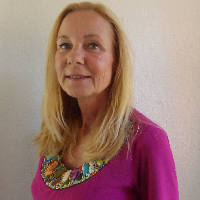
About Jacqueline
Her practice centers on trauma and abuse, including emotional, physical, and sexual trauma, as well as post-traumatic stress. She also helps people cope with anxiety, anger, grief, relationship conflicts, parenting strains, and the challenges that come with major life changes. Young adults and people facing multicultural or first responder stressors are among the concerns she has addressed.
Jacqueline blends brief solution-focused work with trauma-focused cognitive behavioral and narrative approaches. Sessions typically aim to identify small, manageable changes, work through unhelpful patterns, and build new ways of telling personal stories that reduce distress. She pairs these methods with a style that is both caring and appropriately challenging to encourage progress.
Clients can expect clear goals, practical strategies, and a collaborative tone. Jacqueline invites people who are ready to take a step toward change to begin the process. To start, clients follow the platform steps to match and schedule with her according to availability.
Her long experience in varied settings informs a steady, responsive practice that concentrates on what helps clients move forward in daily life.
How her approaches translate to online work
Jacqueline commonly uses cognitive behavioral and trauma-focused approaches alongside narrative and solution-focused ideas. Cognitive Behavioral Therapy (CBT) focuses on identifying unhelpful thoughts and testing new behaviors to reduce anxiety and improve mood. Trauma-Focused Therapy centers on safely processing traumatic memories and learning skills to manage intense reactions. Narrative Therapy helps people reframe their life stories to reduce the hold of painful experiences and create clearer next steps.Choosing the right approach is part of the work together. She will collaborate with each person to match techniques to needs, goals, and personal preferences. That way sessions focus on what matters most and adjust if something isn’t working.
The practical benefits of online therapy can help fit care into a busy life. Confirm the therapist's current session options before booking, since formats are not specified in the biography. Online work can make scheduling easier, allow shorter check-ins when time is tight, and remove travel time so therapy fits into a workday or family routine. Licensed professionals can adapt CBT, trauma-focused, and narrative methods to remote sessions to keep goals and skill practice central to the work.
Frequently asked questions
What kinds of concerns does she address?
She works with trauma and abuse, post-traumatic stress, sexual assault and related trauma. She also helps with anxiety, anger, grief, relationship and parenting issues.
What is her therapeutic style like?
Her style is caring and challenging. She focuses on practical steps and sets clear goals while encouraging growth through honest feedback.
How long has she practiced?
She brings 30 years of clinical experience working with adults, couples, and in varied settings to her practice.
Where is she based and what credential does she hold?
She practices in North Carolina and holds the credential LCSW, Licensed Clinical Social Worker.
Which languages are supported?
Sessions are offered in English and Danish, and she accepts international clients.
What session formats are available?
Session formats are not specified in the biography; please confirm current session options before booking.
How does pricing work?
Cost varies with location and therapist scheduling, and sessions use a subscription that can be canceled at any time.
How do I begin working with her?
Select the Start Therapy button, complete the short matching questionnaire, and schedule according to therapist availability.