- Trauma and abuse focus
- Attachment-informed care
- Practical behavior tools
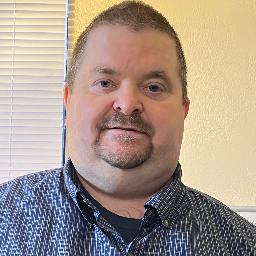
About James
James completed a Master’s degree in social work from Florida International University in 1998 and became licensed in Florida in 2000. Early in his career he provided individual and group therapy in Miami-Dade schools. He later worked with people experiencing severe mental illness, including bipolar disorder and major depression.
Beginning in 2007 he served active duty military clients, focusing on marital concerns, anxiety, depression, PTSD, and domestic violence issues. He has also worked with people affected by dysfunctional family systems and the traumas those systems leave behind. Addictions and eating disorders are additional areas he addresses.
James uses a mix of approaches in clinical work. He draws on attachment-based ideas, client-centered methods, cognitive behavioral strategies, dialectical behavior tools, and eye movement desensitization and reprocessing. He also applies motivational interviewing skills when helping people consider change.
Sessions aim to be straightforward and goal-oriented. Clients can expect collaborative planning, clear coping strategies, and attention to patterns that come from earlier relationships. He works with clients to build skills that fit into daily life and to move toward goals they name together.
Approaches that translate to online work
Attachment-Based Therapy helps people look at how early relationships shape current reactions and closeness. Online sessions can use this approach to identify patterns and practice new ways of relating. Cognitive Behavioral Therapy, or CBT, focuses on the links between thoughts, feelings, and behavior and teaches clear skills for managing anxiety, depression, and sleep or eating problems. Sessions often include homework and skill practice between meetings. Eye Movement Desensitization and Reprocessing, known as EMDR, is used for trauma and aims to reduce the emotional charge of distressing memories; elements of EMDR can be discussed and planned in online meetings before any in-person steps are considered.Choosing the right approach is part of the work. The therapist will talk with each person about goals, preferences, and what feels most helpful. Together they decide which methods to try and adapt those methods as progress is made.
The biography does not list which session formats are used, so please confirm current options before booking. Online work can make it easier to fit therapy into busy schedules, reduce travel time, and allow shorter check-ins when needed. It also lets people practice skills in real daily settings and bring immediate concerns into sessions for problem solving.
Frequently asked questions
What concerns does this therapist address?
James supports people dealing with stress, anxiety, addictions, trauma and abuse, grief, self-esteem, relationship and intimacy issues, eating and sleeping problems, anger, career concerns, bipolar disorder, depression, and coping with life changes.
What is his therapeutic style like?
He works in a straightforward, collaborative way. Sessions focus on practical coping strategies, understanding relationship patterns, and setting clear goals for change.
How much clinical experience does he have?
He has about 20 years of clinical experience, with early work in school settings and later experience with severe mental illness and active duty military clients.
What credentials and location are listed?
He holds the LCSW credential and is licensed in Florida. His practice location is in Florida.
Which languages are supported and are international clients accepted?
Sessions are offered in English. International clients are not currently accepted.
What session formats are offered?
The original biography does not list specific session formats. Please confirm current session options before booking.
How is cost managed for sessions?
Cost varies with location and therapist availability; sessions use a subscription that can be canceled at any time.
How do I begin working with this therapist?
Use the Start Therapy button, complete a short matching questionnaire, and schedule according to therapist availability.