- Trauma and abuse
- Stress and anxiety
- Skill building
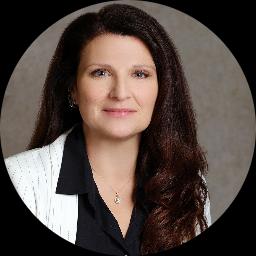
About Jessica
She draws on a mix of approaches to match each person’s needs. Cognitive Behavioral Therapy helps identify unhelpful thoughts and build skills to manage them. Attachment-Based ideas guide work on relationships and how early connections shape current patterns. Eye Movement Desensitization and Reprocessing, known as EMDR, is used when people have distressing memories that keep coming back.
Jessica describes the therapeutic relationship as a dance - sometimes the client leads, sometimes she does. She teaches coping skills and helps people practice them until they can use them on their own. She emphasizes patience, respect, and compassion throughout the process.
Her background includes work in New York and Florida before settling in Utah. She has supported people through grief, addiction, parenting struggles, relationship and family challenges, eating concerns, ADHD, and other mood and anxiety issues. Her style blends existential reflection with practical problem solving.
Jessica is a licensed mental health counselor (LMHC) and a licensed professional counselor (LPC). Sessions are conducted in English and designed to help people build the skills they need to manage current struggles and move forward.
Approaches that guide online work
Jessica uses Cognitive Behavioral Therapy to help people notice and change unhelpful thoughts and behaviors, which can reduce anxiety and improve mood. Attachment-Based Therapy is used to look at patterns in relationships and how early experiences affect current connections. EMDR, or Eye Movement Desensitization and Reprocessing, is offered as a way to process distressing memories that continue to cause emotional pain.Finding the right approach is part of the process. Jessica will work collaboratively with each person to decide which methods match their needs, goals, and comfort level. She adapts the plan over time so techniques fit what actually helps the client make progress.
Confirm the session formats available before booking, as options are not specified here. Online sessions can make it easier to fit therapy into a busy life, for example by avoiding travel time or allowing shorter check-ins during a workday. They also let people continue therapy while relocating or managing changing schedules. Talk with the therapist about practical preferences such as video versus phone-style meetings and what will best support regular attendance.
Frequently asked questions
What concerns does she help with?
She works with stress, anxiety, trauma and abuse, parenting, depression, addiction, relationship and family issues, grief, intimacy concerns, anger, self-esteem, career and related struggles.
What is her therapeutic style like?
Her style is collaborative and practical. She describes the relationship as a dance where she and the client alternate leading while building coping skills.
How much clinical experience does she have?
She has 21 years of experience working in mental health across multiple states before practicing in Utah.
What credentials and location are listed?
She holds LMHC and LPC credentials and is based in Utah with past work in New York and Florida.
In what languages can sessions be held?
Sessions are offered in English.
Are international clients accepted?
International clients are not currently accepted.
How are sessions scheduled and what about cost?
Cost varies with location and therapist availability; sessions use a subscription that can be canceled at any time.
How do I begin working with her?
Click the Start Therapy button, fill out a short matching questionnaire, and schedule based on therapist availability.