- Addictions help
- Mood support
- Mindfulness tools
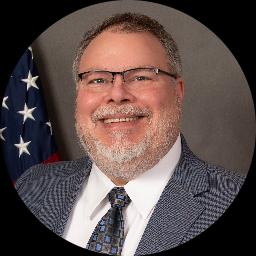
About John
David draws on practical, hands-on methods in session. He listens first and follows the pace each person sets. He often uses cognitive behavioral techniques to spot patterns of thinking, mindfulness exercises to restore calm, and motivational interviewing to identify next steps. He encourages occasional video meetings early on to strengthen the connection.
Having served as a veteran and a former first responder, David brings personal insight into the everyday pressures those roles can create. He also has extensive work with co-occurring mental health and substance use concerns. This background informs his way of talking about safety, coping, and recovery without judgment.
Sessions focus on clear goals and small, doable steps. David uses solution-focused methods to name what is working and build on it. He will also help people explore life purpose, fatherhood concerns, midlife transitions, and feelings of isolation when those topics come up.
His approach is collaborative and down-to-earth. He treats each person as the expert on their own life and offers guidance, tools, and practical strategies. To begin, clients complete a short matching questionnaire and schedule appointments based on availability.
How David uses common therapy methods online
Client-Centered Therapy means the therapist follows the client's lead and emphasizes respectful listening. This approach helps people feel heard and can be useful for unpacking trauma, addiction, or career stress. Cognitive Behavioral Therapy, or CBT, focuses on identifying unhelpful thoughts and testing them against real-life evidence. It is practical for mood problems, addiction patterns, and shifting daily habits.Choosing the right approach is a shared process. David works together with each person to try methods that match their goals and preferences. He suggests early check-ins to see what helps and adjusts the plan as therapy progresses.
Confirm the available session options before booking, since formats are not fully specified here. The therapist requests at least occasional video sessions early on and periodically after that to strengthen connection. Online work can make scheduling easier, reduce travel time, and allow shorter check-ins when needed, which helps therapy fit into busy lives.
Frequently asked questions
What concerns does he focus on?
David supports people with addictions, depression, trauma and abuse, and career-related stress. He also addresses related areas like post-traumatic stress, veteran and first responder issues, and life purpose.
What is his therapeutic style?
He takes a collaborative, down-to-earth approach that centers the client. Sessions mix listening, practical tools, and clear goal-setting to help people take small steps forward.
How much experience does he bring?
He has 18 years of professional experience working in clinical settings and with people facing co-occurring mental health and substance use concerns.
What credentials and location apply?
He holds LMHC and LPC credentials and practices in Virginia.
Which languages are supported?
Sessions are offered in English. International clients are not currently accepted.
What session formats are available?
Confirm current session options before booking, as formats are not specified in the biography. The therapist asks for at least occasional video sessions early in care.
How does payment work?
Cost varies with location and therapist availability. Sessions use a subscription that can be canceled at any time.
How do I get started?
Click the Start Therapy button, complete a short matching questionnaire, and schedule according to the therapist's availability.