- Relationship-focused
- Emotion skills
- Trauma-sensitive
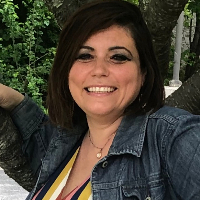
About Josephine
Her work aims to make therapy straightforward and practical. Sessions focus on problem-solving, building coping skills, and processing difficult experiences in manageable steps. She draws on approaches that center on relationships and emotional regulation to guide the work.
Josephine brings sustained experience working with stress, grief, parenting challenges, ADHD, and eating concerns. She also supports people dealing with abandonment, attachment questions, domestic violence, and sexual assault and abuse. Her background includes many years helping people with panic, self-harm, and compassion fatigue.
The style in sessions is collaborative and calm. Josephine helps people name what feels hard and then tries out strategies that fit daily life. She also pays attention to patterns in relationships and supports clients who want to change how they connect with others.
Her practice integrates trauma-informed ideas so people can work at a pace that feels doable. She uses person-centered techniques alongside structured skills for emotion management. People who want a therapist who emphasizes relationships, managing strong emotions, and practical steps may find this approach helpful.
How her approaches translate to online therapy
Attachment-Based Therapy looks at how earlier relationships shape current connection patterns. It focuses on safety in relationships, building trust, and changing repeating patterns that cause pain. This approach can help when past attachment wounds affect parenting or close relationships.Dialectical Behavior Therapy, or DBT, teaches concrete skills for emotion regulation, distress tolerance, and clear communication. It uses practice and repetition so people can handle intense emotions and reduce impulsive behavior.
Finding the right approach is part of the work. The therapist will talk with the client about their goals, preferences, and what feels most useful. Together they decide whether relationship-focused work, skills training, or trauma processing is the best fit and adjust the plan as needed.
The biography does not list specific online session formats, so confirm available options before booking. Online therapy can make it easier to fit sessions into a busy week, reduce travel time, and allow shorter check-ins when needed. It also lets people choose quieter surroundings or avoid being on camera if that helps them engage more comfortably. Licensed professionals adapt these approaches to work effectively in remote sessions, focusing on what will fit into daily life.
Frequently asked questions
What kinds of concerns does Josephine help with?
She works with stress, anxiety, depression, bipolar symptoms, addictions, and trauma and abuse concerns. Additional focuses include grief, parenting strain, ADHD, eating issues, and relationship patterns.
What is her therapeutic style like?
Her style is collaborative and practical. She helps people identify problems, try manageable strategies, and look at how relationships affect feelings.
How much experience does she have?
She has 15 years of clinical experience working with a range of mood, trauma-related, and behavioral issues.
What are her credentials and where is she based?
She holds an LPC credential and practices in Virginia.
Which languages are sessions offered in?
Sessions are offered in English, and she also accepts international clients.
What session formats are available?
The original biography does not specify session formats. Please confirm current session options with the provider before scheduling.
How does payment or cost work?
Cost varies by location and therapist availability. Sessions use a subscription model that can be canceled at any time.
How do I begin working with her?
Use the Start Therapy button, fill out a short matching questionnaire, and then schedule according to therapist availability.