- 35 years experience
- Attachment-focused care
- Practical skills and insight
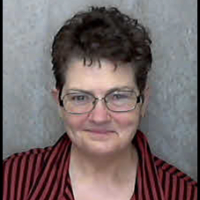
About Julie
Julie uses a straightforward, person-focused style. Sessions are centered on what matters most to the individual. She listens for patterns around attachment, communication, and coping, then works with each person to set practical goals and small steps forward.
Her background includes work in different regions and many years in clinical practice. Julie holds a Master of Social Work from the University of Houston and carries licenses as an LCSW-C and LCSW. That experience informs her approach to complex problems like co-occurring mental health and substance concerns, domestic violence histories, and long-term relationship wounds.
In therapy she blends conversational reflection with specific skills practice. Clients can expect help noticing unhelpful patterns, trying new ways to respond, and building emotional regulation tools. She also integrates attention to attachment and relationship dynamics when those issues are present.
Julie aims to tailor care to each person's needs and background. She works in a calm, direct way that emphasizes collaboration, realistic steps, and steady progress toward clearer priorities and better daily functioning.
How therapeutic approaches shape online work
Attachment-Based Therapy focuses on how early relationships influence current patterns. It helps people understand why they respond a certain way in close relationships and learn new ways to connect and set boundaries.Client-Centered Therapy puts the person's perspective at the center. The therapist follows the client's lead, reflects what matters most, and supports self-directed change and problem solving.
Cognitive Behavioral Therapy (CBT) teaches practical strategies to change unhelpful thoughts and behaviors. It can be useful for anxiety, depression, sleep problems, and many stress-related issues.
Finding the right approach is part of the work. Julie will talk with each person about goals, preferences, and how they respond to different methods. Together they choose strategies and adjust them as progress is made, keeping the process collaborative and flexible.
The original profile does not specify which online session formats are used, so confirm options before booking. In general, online therapy can make it easier to fit appointments into a busy week, reduce travel time, and allow shorter check-ins when needed. Different approaches translate well to remote work: CBT exercises and skills practice can be done in sessions, attachment-focused conversations can continue over distance, and client-centered dialogue adapts to the format. Licensed professionals can help match approach and logistics to daily life and goals.
Frequently asked questions
What kinds of concerns does she help with?
She works with a wide range of issues including stress, anxiety, depression, trauma and abuse, addictions, grief, relationship and family challenges, and parenting strain.
How would you describe her therapeutic style?
Her style is person-centered and practical. She listens, helps identify patterns, and teaches skills people can use day to day.
What is her clinical background?
Julie has 35 years of experience and has worked in multiple regions, including international settings earlier in her career.
Which credentials does she hold and where does she practice?
She holds LCSW-C and LCSW credentials and practices in Texas.
Are sessions available in other languages or for international clients?
Sessions are offered in English, and she accepts international clients.
What session formats are offered?
The original profile does not specify session formats; please confirm current session options before booking.
How are costs handled?
Cost varies with location and therapist availability; sessions use a subscription that can be canceled at any time.
What are the first steps to begin working together?
Select the Start Therapy button, complete a short matching questionnaire, and schedule according to therapist availability.