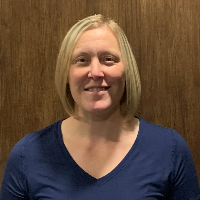
- Warm and respectful
- Goal focused
- Evidence informed
About Julie
She uses a mix of approaches to match each person's needs rather than one fixed method. Conversations focus on what is happening now, what patterns keep showing up, and small changes that can improve daily life. Julie draws on cognitive-behavioral ideas, solution-focused strategies, motivational interviewing, and trauma-focused work to shape plans that fit each person.
Her experience includes helping people who have survived physical trauma or emotional abuse and those coping with post-traumatic stress and veteran or armed forces issues. She also supports people facing family and communication problems, grief, anger, bipolar mood concerns, and struggles with intimacy or self-esteem.
Julie holds LCSW licensure in Pennsylvania and LCSW-C in Maryland. Her background as a social worker informs a practical approach that connects emotional work to everyday routines. She aims to help people set clear goals and take manageable steps toward those goals.
If someone is ready to begin, Julie asks them to complete a short matching questionnaire and schedule a session. That process helps clarify priorities and makes it easier to get started on change.
How Julie Uses Practical Approaches in Online Therapy
Julie often uses Cognitive Behavioral Therapy and Trauma-Focused Therapy to guide online work. Cognitive Behavioral Therapy looks at how thoughts, feelings, and actions connect and helps people try small behavior changes to reduce symptoms like anxiety or low mood. Trauma-Focused Therapy helps people process stressful or harmful experiences and build safety and coping skills for day-to-day life.Finding the right approach is a collaborative process. The therapist will talk with each person about goals, preferences, and what feels most helpful. Together they try methods that fit the client and adjust the plan over time if something does not feel useful.
Session formats are not specified in the profile, so confirm current options before booking. Many people find online sessions helpful because they can fit therapy into a busy day, have shorter check-ins when needed, or avoid travel time. Online work also makes it easier to bring focus to specific skills, practice communication strategies, and pace trauma-focused exercises in manageable steps.
Frequently asked questions
What concerns does Julie commonly address?
She focuses on trauma and abuse, relationship and intimacy issues, depression, anxiety, parenting challenges, grief, anger, self-esteem, and bipolar mood concerns.
How would you describe her therapeutic style?
The style is warm, interactive, and nonjudgmental, with practical conversations that aim to identify patterns and set clear goals.
What experience does she bring to sessions?
Julie has three years of documented experience as a therapist and additional background as a social worker working with trauma, PTSD, and veteran issues.
What are her credentials and where is she located?
She holds LCSW licensure in Pennsylvania and LCSW-C licensure in Maryland, and she practices from Pennsylvania.
Which languages are supported for sessions?
Sessions are offered in English.
Can people from other countries schedule with her?
International clients are not currently accepted.
How are session costs handled?
Cost varies by location and therapist availability; sessions use a subscription that can be canceled at any time.
What is the first step to begin working together?
Start by selecting the Start Therapy button, completing a short matching questionnaire, and then scheduling according to therapist availability.