- Trauma informed care
- Bilingual English Spanish
- Practical coping skills
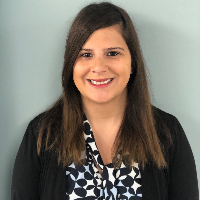
About Justine
She began her career as a graduate intern in an elementary school in Boston and then worked at an inpatient adolescent unit through UMASS Medical School in Worcester. There she cared for young people with histories of trauma and severe mental illness and provided counseling and education to family members. She later moved to Florida and worked in outpatient and residential substance use settings with adult women managing trauma, mood disorders, and addiction.
Since 2019 she has worked at a Children’s Advocacy Center in Florida, seeing children, adolescents, and adults impacted by sexual abuse, domestic violence, grief, and difficult life transitions. Much of her clinical focus is on trauma and abuse and on giving clients practical coping skills and strategies for emotion regulation.
Justine describes her style as eclectic: she draws from several evidence-based methods to match a person’s needs rather than rely on a single technique. She emphasizes trauma-focused approaches when appropriate and works to teach coping skills that can be applied between sessions.
With six years of experience, she centers clear communication and goal-oriented work. People who want straightforward support for trauma, addiction, or intense mood and anxiety symptoms may find her style fits their needs.
How her approaches translate to online work
Client-Centered Therapy focuses on listening and collaboration. The therapist follows the person’s lead, helps set goals, and works at the client’s pace to address trauma, loss, or life changes.Cognitive Behavioral Therapy, or CBT, looks at how thoughts affect feelings and actions. It teaches practical skills for managing anxiety, depression, panic, and mood symptoms by changing unhelpful thinking and building behavioral plans.
Eye Movement Desensitization and Reprocessing, EMDR, is used to process traumatic memories and reduce their emotional intensity. When appropriate, it is applied alongside other trauma-focused strategies to help people move forward from painful events.
Choosing the right approach is a collaborative process. The therapist will talk with the client about symptoms, goals, and preferences and then suggest methods to try. Sessions often include skill practice, homework, and clear steps to measure progress together.
Session formats are not listed in the provided profile, so confirm current options before booking. In general, online therapy can make it easier to fit sessions into a busy week, reduce travel time, and allow for shorter check-ins when needed. It can also let people use phone-only or lower-bandwidth options if video isn’t practical. Licensed professionals adapt these methods to your needs so therapy can work around everyday life rather than the other way around.
Frequently asked questions
What concerns does she help address?
She works with people facing trauma and abuse, addictions, grief, stress, anxiety, depression, bipolar symptoms, ADHD, and related issues such as dissociation, panic, and phobias.
How would you describe her therapeutic style?
Her style is client-centered and practical. She uses a mix of approaches like CBT, DBT, EMDR, and motivational interviewing to teach coping and emotion regulation skills.
What is her professional background?
She has six years of clinical experience including internships in school and inpatient adolescent care, work in outpatient and residential substance use treatment, and time at a Children’s Advocacy Center.
What credentials and region are listed?
She is a Licensed Clinical Social Worker (LCSW) practicing in Florida.
In which languages can sessions be held?
Sessions are offered in English and Spanish.
Are international clients accepted?
International clients are not currently accepted.
How is cost and billing handled?
Costs vary with location and therapist availability; sessions use a subscription model that can be canceled at any time.
What do I need to do to start working together?
Use the Start Therapy button, complete a short matching questionnaire, and schedule sessions according to the therapist’s listed availability.