- Trauma and abuse
- Affirming approach
- Practical skills
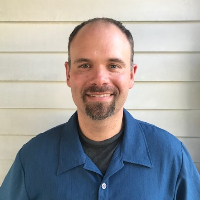
About Karl
Karl works with a wide range of concerns including stress, anxiety, trauma and abuse, depression, addictions, and mood disorders. He also supports people dealing with relationship and family tensions, parenting strain, grief, sleep problems, career questions, and identity concerns such as gender dysphoria and LGBT issues.
His way of working is warm, interactive, and respectful. Conversations are tailored to each person, and he avoids stigmatizing labels. Sessions are collaborative - the client’s goals shape the path forward.
Karl uses a mix of approaches to meet real-life needs. He draws from Acceptance and Commitment Therapy, client-centered methods, cognitive behavioral strategies, mindfulness techniques, and trauma-focused work. These are used to build practical coping skills and to process difficult experiences.
He encourages people to take small steps toward change and offers steady support along the way. If someone wants to explore healing after trauma, reduce anxiety, or improve relationships, Karl provides guided, goal-based work designed around the client’s priorities.
How therapy approaches translate to remote work
Acceptance and Commitment Therapy (ACT) helps people notice what matters most and take action toward those values, even when feelings are hard to face. It can be useful for anxiety, depression, and coping with life changes. Cognitive Behavioral Therapy (CBT) focuses on identifying unhelpful thoughts and testing them with practical experiments and behavioral steps to reduce symptoms like panic, phobias, and social anxiety. Trauma-Focused Therapy centers on processing traumatic memories and building skills to manage intense reactions and post-traumatic stress.Karl treats finding the right approach as a team effort. He will work with each person to choose methods that match their goals, comfort level, and day-to-day life. That collaboration can include mixing techniques so sessions feel relevant and useful from the start.
The biography does not list specific online session formats, so confirm current options before booking. In general, online work can make scheduling easier and let people fit therapy into busy routines. It can also allow shorter check-ins when needed, let someone avoid travel time, or make it simpler to use mindfulness or exposure exercises in a familiar setting. Licensed professionals can adapt ACT, CBT, and trauma-focused methods to remote sessions while focusing on practical skills and steady progress.
Frequently asked questions
What concerns does this therapist help with?
Karl addresses a wide range of issues including stress, anxiety, trauma and abuse, depression, addictions, mood disorders, and relationship and family concerns.
How would you describe his therapy style?
He uses a warm, affirming, and interactive style that aims to avoid stigmatizing labels and tailors sessions to each person's needs.
What is his clinical background?
He has 15 years of counseling experience working with individuals, couples, and families across many concerns and diagnoses.
What credentials and region does he hold?
Karl holds LPC and LCPC credentials and practices in Delaware with licensure noted for Delaware and Maryland in his background details.
In what language are sessions offered?
Sessions are offered in English and international clients are not currently accepted.
What session formats are available?
The original biography does not list specific session formats. Confirm current session options before booking to know what formats are offered.
How are sessions billed?
Cost varies by location and therapist scheduling; sessions use a subscription model that can be canceled at any time.
How do I begin working with him?
Select the Start Therapy button, complete a short matching questionnaire, and schedule according to the therapist's availability.