- Trauma aware
- Practical skills
- Collaborative approach
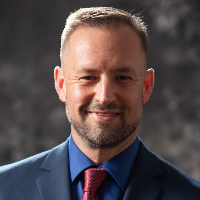
About Kevin
Kevin uses straightforward talk and practical skill-building to calm body and mind so decisions feel easier. He works with people to notice how past experiences shape current choices, and then practices new ways of thinking and behaving that make daily life more manageable. Sessions include coaching on habits, self-talk, and emotion regulation skills.
With 32 years of professional experience, Kevin draws on a mix of approaches to match each person's needs. He emphasizes collaborative work so goals are clear and realistic. He encourages clients to treat therapy like hiring an expert to help when personal efforts haven’t led to lasting change.
Kevin earned a Doctorate in Counseling, a Master of Arts in Counseling Psychology, and a Bachelor of Science in Interdisciplinary Studies. He has worked in clinical counseling roles, including supporting the U.S. Armed Forces and leading a rural counseling practice. His background includes work with adults across many life stages.
Outside of clinical work he enjoys playing drums and percussion, hiking, fitness, travel, and reading. He invites prospective clients to complete a short matching questionnaire and schedule a session to begin discussing practical next steps.
How therapy approaches guide online work
Attachment-based therapy emphasizes the role of relationships in shaping how people feel and react. It focuses on understanding patterns from early bonds and uses the therapeutic relationship to try out new ways of connecting and regulating emotions. Cognitive behavioral therapy (CBT) teaches practical strategies to notice unhelpful thoughts and change behaviors that keep problems going, which can help with anxiety, depression, and coping after trauma. Emotionally-focused therapy (EFT) centers on naming and shifting strong emotional patterns in relationships, useful when emotional cycles cause recurring conflict or disconnection.Finding the right approach is part of the process. The therapist works collaboratively to learn about goals, preferences, and what has or hasn’t worked before. Then the two of you decide which approaches and exercises to try, adjusting over time based on what helps most.
The original biography does not list specific online session formats, so confirm current options before booking. Online work can make it easier to fit therapy into a busy life, for example by saving travel time, offering shorter check-ins when mornings or lunch breaks are tight, or letting someone choose a session type that feels less demanding on bandwidth or attention. Licensed professionals can adapt CBT, attachment-based techniques, and EFT exercises for remote sessions so practical skills and relationship work continue between meetings.
Frequently asked questions
What concerns does he help with?
He helps people with stress, anxiety, depression, relationship difficulties, parenting strain, anger, self-esteem problems, family issues, and trauma and abuse.
What style of therapy does he use?
He blends client-centered work with interventions from attachment-based therapy, cognitive behavioral therapy, dialectical behavior therapy, and emotionally-focused therapy to fit each person’s needs.
How much experience does he have?
He brings 32 years of experience in counseling, including clinical roles supporting the U.S. Armed Forces and leading a rural counseling practice.
What are his credentials and where is he based?
He holds credentials as LCPC and LPC and practices in Oregon.
Which languages are supported?
Sessions are offered in English, and international clients are accepted.
What session formats are available?
The original biography does not list specific session formats; please confirm current session options before booking.
How are fees handled?
Cost varies by location and therapist availability; sessions use a subscription that can be canceled at any time.
How do I begin working together?
Select the Start Therapy button, complete a short matching questionnaire, and schedule according to therapist availability.