- Relationship focus
- Trauma and grief
- Evidence informed
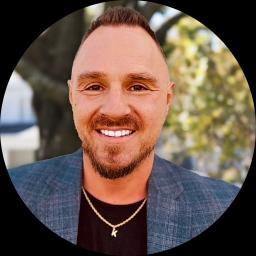
About Kyle
Kyle holds a Master of Science in Professional Counseling and Psychology and also studied communication and biblical studies. He has five years of clinical experience and holds LPC credentials in West Virginia and Virginia. He draws on a mix of therapeutic approaches to fit each person’s situation rather than following a single method.
In sessions he focuses on listening first, then building a plan together. That plan may include strategies for managing anxiety, skills for clearer communication, or tools to face loss and trauma. He aims to make sessions feel collaborative and goal-oriented, with steps people can try between meetings.
Kyle emphasizes respect, sensitivity, and compassion. He tailors conversations and treatment plans to each person’s needs and values. He frames therapy as a process that takes courage and supports people as they take steps toward change.
Beyond individual concerns he has worked with issues like caregiver stress, attachment difficulties, blended family challenges, and body image. He also offers support around commitment, codependency, and coping with chronic illness or aging. His overall focus is helping people build more stable relationships and better coping skills.
How therapy approaches shape online work
Acceptance and Commitment Therapy (ACT) focuses on helping people notice painful thoughts and feelings without letting them dictate actions, and then identify personal values to guide meaningful choices. It can help with anxiety, stress, and life transitions when someone wants to live more in line with their priorities.Attachment-Based Therapy looks at how early relationship patterns affect current bonds and trust. It helps people understand where their needs come from and practice new ways of connecting and setting boundaries in relationships.
Finding the right approach is part of the process. The therapist will talk with each person about goals, preferences, and what has or hasn’t worked before, then shape a plan together. That collaborative process helps decide whether ACT, attachment work, CBT, DBT skills, or a blend will be most useful.
Many people find online therapy easier to fit into busy schedules and daily life. It can reduce travel time, allow shorter check-ins during work breaks, and make it simpler to keep regular appointments. Confirm which session formats are currently offered before booking, since the biography does not list specific options. Licensed professionals will work with clients to arrange a schedule and session rhythm that fits day-to-day demands.
Frequently asked questions
What kinds of problems can Kyle help with?
Kyle works with adults on relationship and intimacy issues, anxiety, depression, grief, addictions, career stress, parenting strain, and trauma and abuse among other concerns.
What is Kyle's approach to therapy?
He uses a mix of approaches including Acceptance and Commitment Therapy, Attachment-Based and Client-Centered principles, Cognitive Behavioral techniques, and elements of Dialectical Behavior Therapy to match each person’s needs.
How much clinical experience does he have?
Kyle has five years of clinical experience working with adults on mood, relationship, and trauma-related concerns.
What credentials and region are listed for this therapist?
He is an LPC with licensure noted in West Virginia and Virginia and practices from Virginia.
Are sessions offered in other languages or internationally?
Sessions are offered in English and international clients are accepted.
What session formats are provided?
Please confirm current session options before booking, as the therapist's biography does not list specific session formats.
How are fees and payment handled?
Cost varies with location and therapist availability; sessions use a subscription that can be canceled at any time.
How do I begin working with this therapist?
Use the Start Therapy button, complete a short matching questionnaire, and schedule according to the therapist's availability.