- Client-centered care
- CBT tools
- Trauma and abuse
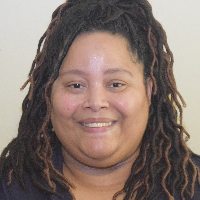
About La
She trained in community agency counseling and completed an Educational Specialist degree in clinical mental health. Over more than a decade of work she has supported people facing stress, anxiety, depression, grief, and trauma and abuse. She also helps with relationship and intimacy concerns, parenting strains, addiction, and career worries.
Sessions follow a client-centered approach, which means the person's priorities guide each meeting. She also uses cognitive behavioral therapy to help identify unhelpful thoughts and try small, concrete behavior changes. Together these approaches aim to make therapy practical and relevant to daily life.
La Chandra pays attention to patterns such as codependency, dependent personality traits, and relationship conflicts like infidelity or non-monogamous arrangements. She also addresses topics including domestic violence, substance issues, fertility and fatherhood concerns, gender dysphoria, and HIV/AIDS related stress in ways that focus on each individual's needs.
Clients can expect calm listening, straightforward feedback, and collaborative goal-setting. The work often involves talking through current problems, practicing new responses, and checking progress between sessions. She practices in Georgia and offers services in English.
How her approaches translate to online therapy
Client-Centered Therapy focuses on the person in front of the therapist. It means conversations revolve around the client's goals, values, and pace. This approach helps when someone needs a listening ear and guidance that fits their life.Cognitive Behavioral Therapy, or CBT, looks at links between thoughts, feelings, and actions. It uses short exercises and practical experiments to change patterns that cause distress. This approach is useful for anxiety, depression, unhealthy habits, and many stress-related problems.
Finding the right approach is part of the work. The therapist will collaborate with each client to decide which methods to use and will adjust plans as goals change. Clients are invited to give feedback so sessions stay useful and relevant.
If you are considering online therapy, confirm the available session formats before booking. Online work can make it easier to fit meetings into a busy week, reduce travel time, and allow for quicker check-ins when needed. It can also let people choose quieter surroundings, use less bandwidth by avoiding video, or schedule shorter sessions around work or childcare. Licensed professionals and therapists can adapt exercises and homework so the work continues between meetings and fits daily life.
Frequently asked questions
What concerns does she help with?
She addresses a wide range of issues including stress, anxiety, depression, grief, trauma and abuse, relationship and intimacy difficulties, parenting challenges, addictions, career strain, and self-esteem problems.
How would you describe her therapeutic style?
Her work is client-centered and practical. Meetings focus on what the person wants to change, and she uses cognitive behavioral techniques to try small, manageable steps.
What experience does she bring?
She has 11 years of counseling experience and has worked with people facing a range of emotional and life challenges.
What are her credentials and location?
She is a Licensed Professional Counselor (LPC) practicing in Georgia.
What languages are sessions offered in?
Sessions are offered in English.
Can international clients work with her?
International clients are not currently accepted.
How does payment or cost work?
Cost varies with location and therapist availability; sessions use a subscription that can be canceled at any time.
How do I begin working with her?
Use the Start Therapy button, complete a short matching questionnaire, and then schedule sessions based on the therapist's availability.