- Client-centered care
- CBT and solutions
- Trauma-aware approach
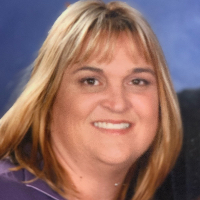
About Ladonna
She trained at Rollins College and practiced across settings that included first responders, law enforcement, veterans, college students, parents, teachers, and retirees. That varied background shaped a straightforward, interactive style that aims to match techniques to a person's life and goals.
Her approach blends client-centered work with cognitive behavioral and solution-focused techniques. She listens for what a person values, then helps turn that into clear, doable strategies to manage mood, sleep, anger, or addictive urges. Sessions often emphasize small changes that build over time.
Mindfulness methods are used to help people notice difficult thoughts and feelings without getting overwhelmed. That can be useful for coping with stress, compassion fatigue, or intrusive memories after trauma. The focus is on skills people can use day to day.
Clients can expect encouragement and practical feedback aimed at real-world problems like work stress, parenting strain, blended family issues, communication breakdowns, and midlife transitions. The therapist praises progress and supports people as they learn new habits and ways of thinking.
How her approaches translate to online therapy
Client-centered therapy focuses on listening and understanding a person's goals. The therapist reflects what matters to the client and helps identify priorities for change. This approach supports work on relationships, self-esteem, and life transitions.Cognitive behavioral therapy, or CBT, looks at the connection between thoughts, feelings, and behaviors. It breaks problems into manageable parts and teaches practical skills for anxiety, depression, sleep, and mood regulation. Solution-focused work narrows in on small, achievable steps to move toward specific goals.
Choosing the right approach is part of the process. The therapist will collaborate with each person to decide which methods fit their needs, goals, and preferences. Together they will try strategies, review what helps, and adjust the plan as needed.
Confirm the therapist's current session offerings before booking because formats are not specified in the biography. Online options can make scheduling easier and help fit therapy into busy days. They also allow for shorter check-ins when needed, and for practices that emphasize skills and homework that fit into everyday life.
Frequently asked questions
What concerns does this therapist help with?
She helps people with stress, anxiety, depression, grief, trauma and abuse, relationship and intimacy issues, sleep problems, addictions, ADHD, and many related concerns listed in her specialties.
What is her therapeutic style like?
Her style is warm, interactive, respectful, and compassionate. She blends client-centered listening with cognitive behavioral and solution-focused techniques to create actionable steps.
What experience does she bring?
She has 20 years of professional experience and has worked with adults from varied backgrounds including first responders, law enforcement, veterans, college students, parents, teachers, and retired people.
What are her credentials and where is she located?
She holds the LMHC credential and practices in Florida.
Which languages are supported for sessions?
Sessions are offered in English only and international clients are not currently accepted.
What session formats are available?
Please confirm current session options before booking as session formats are not specified in the biography.
How does billing and cost work?
Cost varies with location and therapist availability; sessions use a subscription model that can be canceled at any time.
How do I begin working with this therapist?
Use the Start Therapy button, complete a short matching questionnaire, and schedule according to therapist availability.