- Trauma and abuse
- Recovery-oriented care
- Practical coping skills
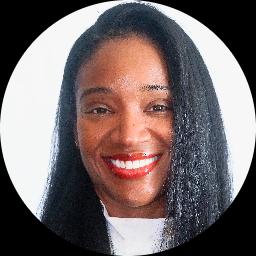
About LaTasha
Her background includes work with serious mental illness and substance use concerns, using a recovery-oriented mindset. LaTasha has experience helping people from a range of cultural, economic, and educational backgrounds. She brings practical skills aimed at daily coping and managing symptoms.
In sessions she uses clear, goal-focused tools drawn from cognitive behavioral approaches and Acceptance and Commitment Therapy. She also draws on attachment-based ideas to look at how relationships shape feelings and behavior. Mindfulness techniques and client-centered listening are woven into her approach.
People can expect straightforward collaboration. LaTasha works with clients to set goals and try simple strategies between sessions. She pays attention to how health conditions, past trauma, and life stress affect mood and functioning.
Her practice emphasizes steady steps toward recovery and symptom management. She helps people build routines, communication skills, and coping plans they can use day to day.
Therapeutic approaches and online care
Acceptance and Commitment Therapy, or ACT, helps people notice difficult thoughts and feelings without letting them control behavior. It focuses on values and small actions that matter day to day, which can help with anxiety, depression, and coping with chronic conditions. Cognitive Behavioral Therapy, or CBT, looks at unhelpful thoughts and behavior patterns and teaches skills to change them; it is often used for anxiety, mood, and stress-related concerns. Attachment-Based Therapy focuses on how early and current relationships shape emotional responses and patterns, which can be useful for intimacy issues, abandonment concerns, and relationship struggles.Finding the right approach is part of the process. The therapist will work together with each client to decide which methods fit their needs, goals, and preferences. That collaborative process may mix techniques from different approaches and adjust as progress is made.
If you are considering online therapy, confirm the session formats available before booking. Online work can make it easier to fit sessions into a busy life and reduce travel time. Some formats also let sessions be shorter check-ins when needed, or avoid video when bandwidth is limited. Ask about the specific session options offered and how scheduling will work for your situation.
Frequently asked questions
What concerns does she address?
She helps people with stress, anxiety, depression, bipolar symptoms, addictions, and trauma and abuse, plus related issues like grief, anger, and intimacy challenges.
What is her style in therapy?
Her style is collaborative and goal-oriented. Sessions focus on practical strategies, skill-building, and real-life application between meetings.
How long has she been practicing?
She has ten years of experience working in clinical settings, including care for serious mental illness and substance use concerns.
What credentials and region apply?
She is a Licensed Clinical Social Worker, LCSW, with licensure in Arkansas (AR LCSW) and Florida (FL LCSW), practicing in Florida.
Which languages are available for sessions?
Sessions are offered in English.
Can people outside the U.S. work with her?
She is not currently accepting international clients.
How are fees and payment handled?
Cost varies by location and therapist availability and sessions use a subscription that can be canceled at any time.
How do I begin therapy with her?
To get started, select the Start Therapy button, complete a short matching questionnaire, and schedule sessions according to therapist availability.