- Trauma and abuse support
- Practical coping skills
- Values-based change
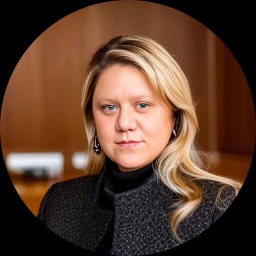
About Launa
Dr. Duffy uses a blend of approaches rather than a single technique. She draws on cognitive behavioral strategies to change unhelpful thoughts and behaviors. She also uses Acceptance and Commitment Therapy to help people identify values and build meaningful action. Attachment-based ideas and emotionally-focused work inform how she addresses relationship patterns and strong emotions.
Her background includes four years of clinical experience and work in different care settings. That variety helps her tailor sessions to what each person needs. She emphasizes collaboration and practical goals rather than one-size-fits-all plans.
Sessions are described as supportive and direct, with attention to how thinking, feelings, and behavior connect. She also helps with parenting stress, career questions, sleep problems, addiction concerns, grief, and managing anger. People who want clear steps and a partner in making change may find this approach useful.
Dr. Duffy offers services in English and practices in Maryland. If you want to begin, use the Start Therapy button and complete the short matching questionnaire to schedule according to availability.
How certain approaches translate to online work
Acceptance and Commitment Therapy (ACT) focuses on helping people notice what matters to them and take small actions toward those values even when unpleasant thoughts or feelings appear. It is useful for anxiety, stress, and life transitions. Cognitive Behavioral Therapy (CBT) looks at how thoughts, feelings, and behaviors interact and teaches concrete skills to change patterns that cause distress; it is often used for anxiety, depression, and sleep problems. Emotionally-Focused ideas and attachment-based work pay attention to emotional experience and relationship patterns, which can help when strong emotions or recurring interaction habits get in the way of well-being.Finding the right approach is part of the work. The therapist will collaborate with each person to choose techniques that match their goals and preferences. That might mean focusing on skill-building first, or spending more time on emotions and relationship patterns depending on what the client needs.
If you prefer online sessions, confirm the specific session options before booking. Online formats can make it easier to fit therapy into daily life, reduce travel time, and allow brief check-ins between longer sessions. They also let people choose sessions that match their energy level - for example a phone check-in when vision or bandwidth is limited, or a video session when visual cues help the work. Ask about available formats when you complete the matching questionnaire so scheduling fits your routine.
Frequently asked questions
What concerns does this therapist help address?
She works with a wide range of issues including stress, anxiety, depression, trauma and abuse, addictions, grief, sleep problems, parenting strain, and career or life transitions.
What is her therapeutic style like?
The approach is collaborative and practical, using short-term strategies and deeper exploration when needed to help people change patterns and reach goals.
What experience does she bring?
She has four years of clinical experience and has worked across multiple care settings, which informs a flexible and pragmatic way of working with clients.
What credentials and location are listed?
She holds the Licensed Clinical Professional Counselor credential (LCPC) in Maryland and practices in that state.
Which languages are sessions offered in?
Sessions are offered in English.
Can international clients work with her?
International clients are not currently accepted.
How are fees and payment handled?
Cost varies with location and therapist availability; sessions use a subscription that can be canceled at any time.
How do I begin working with this therapist?
Click the Start Therapy button, complete a short matching questionnaire, and then schedule according to the therapist's availability.